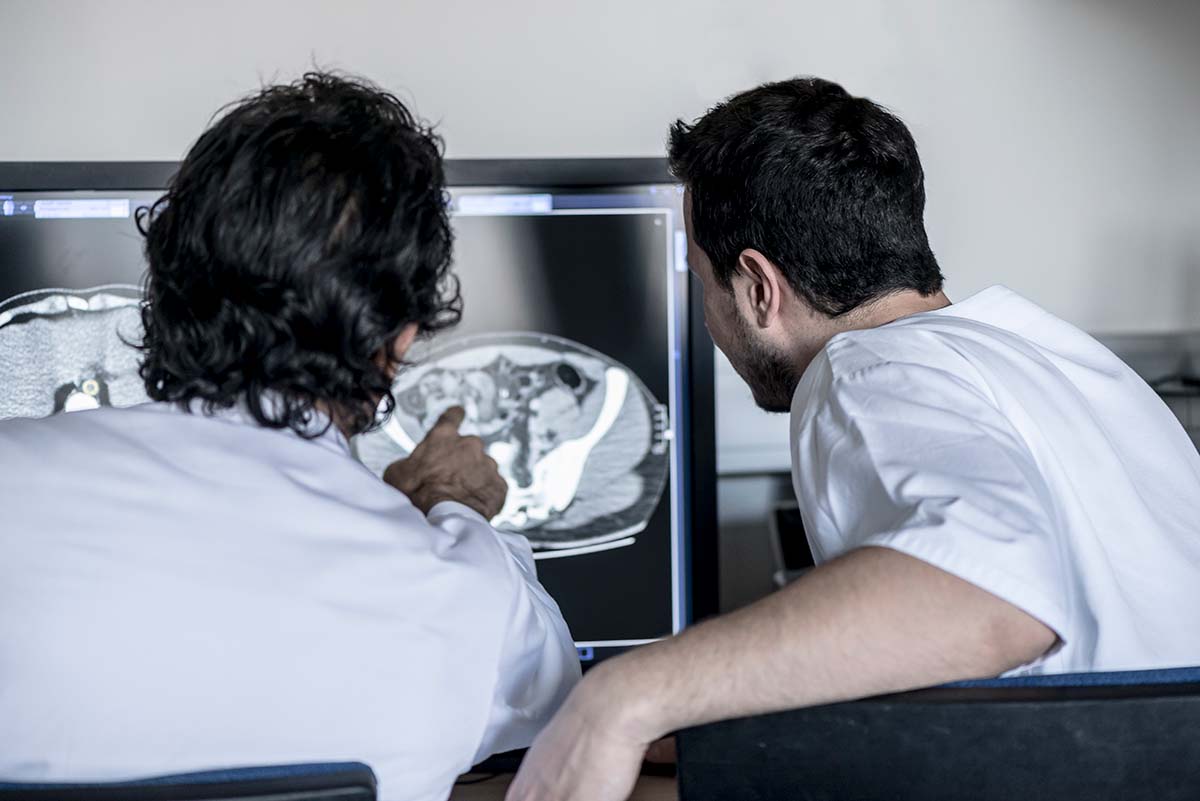
Pancreatic cancer is not like other cancers
But here is what the data also shows: when pancreatic cancer is found early, through structured surveillance in high-risk patients, the 5-year survival rate climbs to 50%. More than 80% of surveillance-detected cancers are found at Stage I or Stage II — stages where surgery is not only possible, but potentially curative.
The difference between those two outcomes is not biology. It is not luck. It is whether the right people were watching, with the right tools, before anything went wrong.
That is exactly what this program is built to do.
One of only two programs of its kind in Los Angeles
This distinction matters enormously. Most surveillance programs — even good ones — are built around a single discipline. A gastroenterologist who monitors. A geneticist who tests. An oncologist who treats. Each expert doing their part, but sequentially, in silos, often at different institutions with different records and different assumptions about what the other has already done.
At SCMSC, the surveillance, the genetics, and the surgical decision-making happen in a fully integrated program — where every finding is evaluated not just by one specialist, but through the combined lens of two experts whose entire clinical focus is the early identification and elimination of pancreatic cancer before it becomes inoperable.
The Team: Why this collaboration is unlike anything else in Southern California
The combination of Dr. Gordon’s genetic expertise and Dr. Eghbalieh’s surgical oncology is not a referral relationship or a loose affiliation. It is a purposefully designed clinical partnership — two world-class specialists working from the same program, toward the same goal, for every patient enrolled.
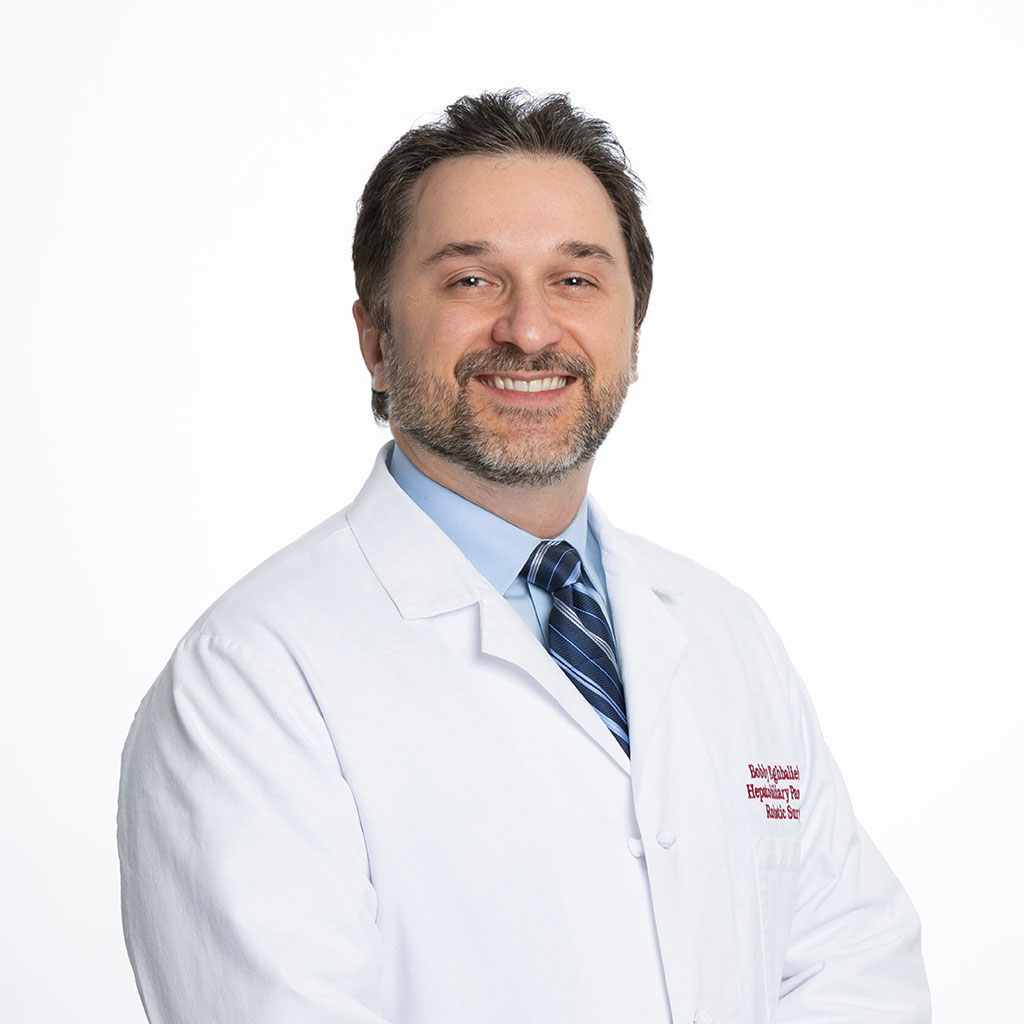
Babak (Bobby) Eghbalieh, MD, FACS of SCMSC
Babak (Bobby) Eghbalieh, MD, FACS — Pancreatic Surgical Oncologist
Dr. Eghbalieh is not a generalist who occasionally operates on the pancreas. He is a highly specialized surgical oncologist whose practice is centered on pancreatic disease — its detection, its staging, and its surgical treatment. He founded and moderates the only Regional Pancreatic Cancer Tumor Board in Southern California, bringing together a multidisciplinary team of specialists whose collective focus, every month, is the pancreatic cancer patient.
What this means for you in practical terms is this: your surveillance program is not being run by someone who will hand you off to a surgeon if something is found. Your surgeon is already in the room. Every imaging result, every marker trend, every ambiguous finding is being evaluated from the first visit by someone who operates on the pancreas — someone who is not just asking “has this changed?” but “if this has changed, are we ready to act, and exactly how do we act?”
In pancreatic cancer, the window between operable and inoperable can be measured in weeks. Having a surgical oncologist leading your surveillance program means that window is never missed because of a referral delay, a scheduling gap, or a handoff between teams that didn’t communicate clearly enough.
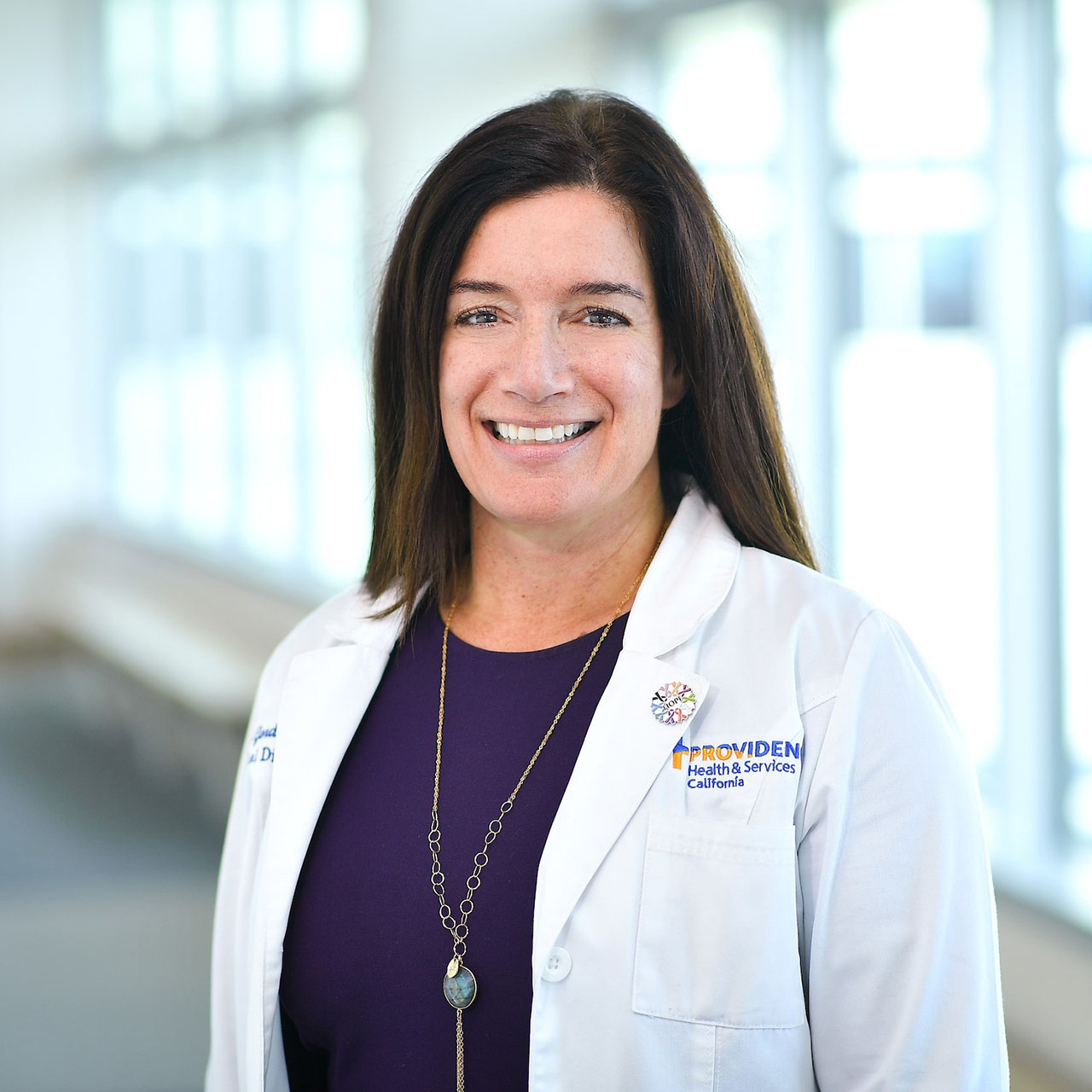
Ora Karp Gordon, MD, MS, FACMG
Ora Karp Gordon, MD, MS, FACMG — Cancer Geneticist, Roy and Patricia Disney Family Cancer Center
Dr. Ora Gordon is the Regional Medical Director and Clinical Director of Genetics and Genomics at the Roy and Patricia Disney Family Cancer Center at Providence Health in Burbank — one of the most recognized cancer genetics programs in the country. Board-certified in clinical genetics and genomics, she has dedicated her career to identifying patients whose inherited biology places them on a collision course with cancer, and intervening before that collision occurs.
For patients entering the SCMSC High-Risk Surveillance Program, Dr. Gordon conducts a comprehensive baseline genetic evaluation — a detailed family history assessment, genetic counseling, and germline testing for the inherited mutations most strongly associated with pancreatic cancer risk, including BRCA1, BRCA2, PALB2, ATM, CDKN2A, MLH1, MSH2, MSH6, and others. This is not a checkbox. It is the clinical foundation on which every subsequent surveillance decision is built.
Understanding your genetic profile changes everything about how your surveillance is conducted — how often you are imaged, which modality gives the most information, at what age your children or siblings should begin their own evaluation, and how aggressively any ambiguous finding should be pursued. Without that genetic context, surveillance is educated guesswork. With it, it becomes precision medicine.
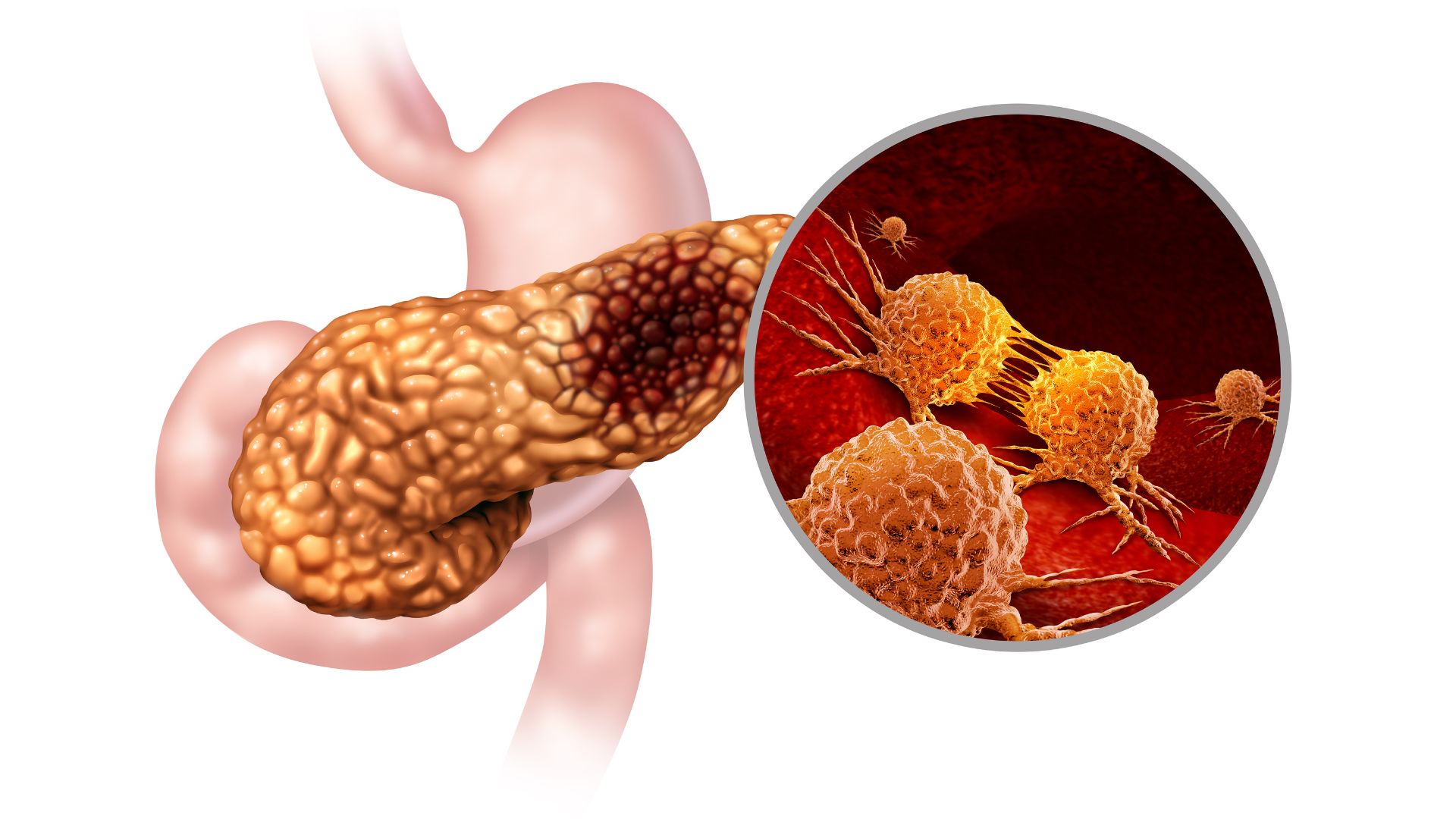
Why your risk is higher than you may realize
Approximately 10% of all pancreatic cancers have a hereditary component — meaning they arise not from random chance, but from an inherited mutation passed through families, often silently, for generations. Patients may carry these mutations their entire lives without knowing it, because the mutation itself causes no symptoms. The cancer it enables, however, is rarely silent once it arrives.
The inherited risk is not theoretical. It is quantifiable:
- Patients with two first-degree relatives diagnosed with pancreatic cancer carry a risk up to 6 times higher than the general population
- Patients with three or more affected first-degree relatives carry a risk up to 32 times higher
- CDKN2A mutation carriers have a lifetime pancreatic cancer risk of approximately 17%, compared to 1.3% in the general population
- BRCA2 mutation carriers have a 3 to 5 times elevated risk; PALB2 carriers face a risk up to 6 times higher
- Patients with Peutz-Jeghers syndrome carry a lifetime pancreatic cancer risk approaching 36%
These are not statistics to be noted and filed away. They are the clinical justification for why high-risk patients need a structured, expert-led surveillance program — and why starting that surveillance at the right age, with the right tools, is not optional.
If you are between 40 and 50 years old and any of these risk factors apply to you, you should be in a surveillance program now. Not when you develop symptoms. Not after your next physical. Now — because by the time pancreatic cancer causes symptoms, it has almost always already won.
An Added Layer: The Galleri® Multi-Cancer Early Detection Test
For patients already enrolled in a high-risk pancreatic cancer surveillance program, the stakes of missing something are too high to rely on any single detection method alone. That is why SCMSC offers access to the Galleri® test by GRAIL as an optional but highly recommended addition to your surveillance protocol.
The Galleri test is a simple blood draw that analyzes cell-free DNA circulating in your bloodstream to detect cancer signals across more than 50 cancer types — including pancreatic cancer — often before any symptoms are present and before any lesion is visible on imaging. For high-risk patients, this is not a luxury. It is an additional safety net designed specifically for the scenario you are in: a known elevated risk, a cancer that hides, and a survival outcome that changes dramatically based on when it is found.
What makes Galleri particularly valuable in this population is that it operates on entirely different biology than imaging. An MRI or EUS shows you the structure of the pancreas — what it looks like. The Galleri test reads what the blood is signaling — fragments of DNA shed by abnormal cells that may be present long before a visible lesion forms. These are two independent sources of information. When both are negative, your reassurance is significantly stronger. When one raises a flag the other hasn’t yet detected, you have gained time that may be the difference between a resectable tumor and one that is not.
A few important things to know about the Galleri test:
- It is available by prescription only and offered as an optional add-on to your surveillance program
- It has demonstrated an overall sensitivity of 83.7% for pancreatic cancer across all stages in clinical studies, with a very low false positive rate of 0.4%
- It is not a replacement for imaging surveillance — it works alongside it
- It is currently available as a laboratory-developed test through GRAIL’s CLIA-certified laboratory; a full FDA premarket approval application was submitted in January 2026 and is currently under review
- It is recommended for adults 50 years and older, or those with elevated cancer risk
We do not offer this test as a formality. We offer it because for a patient carrying a BRCA2 mutation, a CDKN2A variant, or a strong family history of pancreatic cancer, every additional layer of surveillance is clinically justified — and potentially lifesaving.
A commitment that doesn’t end: lifetime registry enrollment
Here is what lifetime registry enrollment means in practice:
You are never lost to follow-up. Your imaging results, tumor marker trends, genetic findings, and clinical notes are tracked longitudinally — not as isolated snapshots, but as a continuous, evolving record of your pancreatic health over time. When something changes, we see it in context. A CA 19-9 that has crept up 15 points over three visits tells a different story than a single elevated reading, and that story is only visible when the data is connected across years.
Your surveillance adapts as the science does. Pancreatic cancer research is moving fast. New biomarkers are being validated. Imaging protocols are being refined. Guidelines are being updated. Because you are enrolled in a registry and actively followed, your program is updated when the evidence changes — not when you happen to schedule your next appointment.
Your family benefits from what we learn about you. The genetic and clinical data collected through your surveillance has direct implications for your first-degree relatives. Registry enrollment allows us to identify patterns and communicate findings in ways that can prompt timely evaluation for your children, siblings, and parents — people who may carry the same inherited risk you do, and who may not yet know it.
In a disease where the margin between early and late detection is measured not in years but in months — and sometimes weeks — being continuously tracked by a program that never loses sight of you is not a small thing. It is the architecture that makes everything else in this program work.
This is the moment that matters — not the one after you have symptoms
That patient, in many cases, was high-risk. They had a family history, or a gene mutation, or both. They simply were never told that their risk warranted surveillance — or they were told and assumed that because they felt fine, they could wait.
Pancreatic cancer does not give you a warning before it becomes inoperable. It does not send a signal that tells you the window is closing. It relies entirely on the absence of symptoms to go undetected long enough to become untreatable. This is not an accident of biology — it is the defining clinical characteristic of this disease, and it is why waiting until you feel something is, in this particular cancer, a decision that costs lives.
The patients who survive pancreatic cancer — the ones who are sitting in their doctors’ offices five years later, healthy, cancer-free — almost universally share one thing: their cancer was found before it caused a single symptom. Not because they were lucky. Because someone was looking, systematically and expertly, before there was anything to feel.
You are reading this page because something in your history — a family member’s diagnosis, a genetic test result, a conversation with your doctor — has suggested that your risk may be elevated. That awareness is not something to file away. It is the most important clinical information you have, and acting on it now, while you are well, is the only version of this story that consistently ends well.
Make an Appointment
The SCMSC High-Risk Pancreatic Cancer Surveillance Program exists for exactly this moment — the moment before anything is wrong, when everything can still be done.
Do not wait for a symptom that this cancer was never going to give you.
Call 818-900-6480 today, or request an appointment online. No referral required..
Pancreatic Cancer Screening Q&A
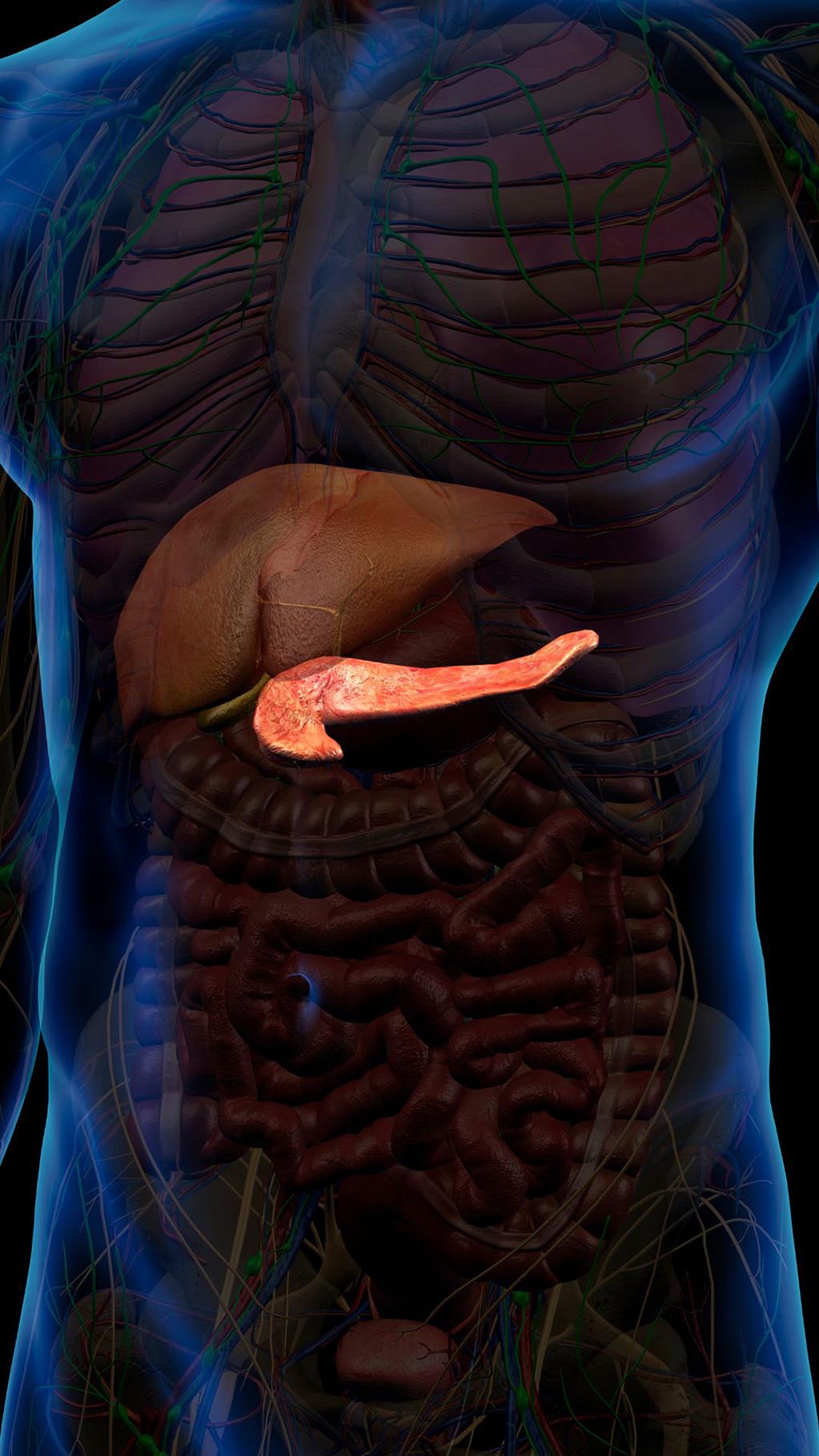
People with chronic pancreatitis should get annual pancreas screening as there is an increased risk for pancreatic cancer. Screening can reduce cancer death, even from pancreatic cancers.
What is the role of genetic testing?
Including all patients with the following family history/hereditary conditions:
- Peutz-Jeghers syndrome
- Hereditary pancreatitis
- CDKN2A gene mutation
- One or more first-degree relatives with pancreatic cancer with Lynch syndrome
- A pancreatic cancer susceptibility gene, including mutations in BRCA1, BRCA2, PAL B2, and ATM genes
What modalities should be utilized for pancreas cancer screening?
- Baseline genetic evaluation and workup with our amazing team under the direction of Dr. Ora Gordon, at the Providence Center for Clinical Genetics and Genomics and the Department of Integrative Medicine at the Roy and Patricia Disney Family Cancer Center in Burbank, CA.
- Imaging follow-up, Pancreatic Protocol CT scan versus magnetic resonance imaging (MRI).
- .Possible endoscopic ultrasound (EUS) for closer evaluation of the pancreas as indicated.
- Baseline tumor marker evaluation for pancreatic cancer screening for pancreatic cancer.
As part of our program, patients will be enrolled in a registry and followed for their lifetime.
At what age should screening begin?
For patients with CKDN2A and PRSS1 mutation carriers with hereditary pancreatitis, we will initiate screening at age 40.
Finally, patients with Peutz-Jeghers syndrome will start surveillance at age 35.
Our Expert General & Robotic Surgery Team
SCMSC’s board-certified surgeons bring advanced training and focused experience across a wide range of general surgical procedures. We believe informed patients make stronger decisions, and we welcome second opinions when facing important surgical choices. Every recommendation is made with clarity, precision, and your long-term health in mind.
Babak (Bobby) Eghbalieh, M.D., FACS
David Wang, MD
Seong (Sam) Gon Bae, M.D., FACS