What is Metatarsalgia?
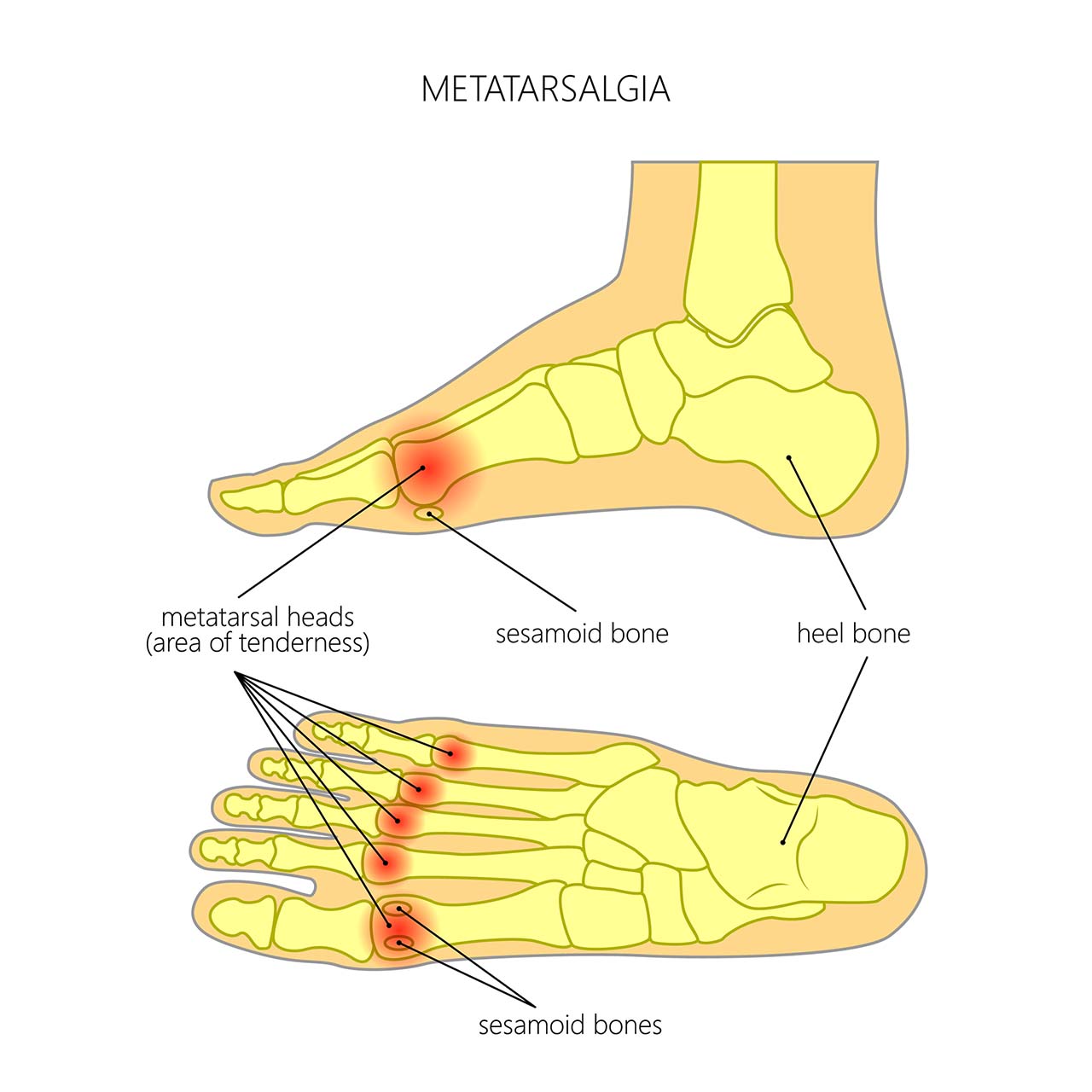
When every step causes burning or aching pain in the ball of your foot, you may be experiencing metatarsalgia. While this term describes a general condition of forefoot pain, it encompasses several specific conditions including sesamoiditis, Morton's neuroma, and fat pad atrophy. At Southern California Multi-Specialty Center (SCMSC), we understand how this pain can impact your daily activities and quality of life.
Common Symptoms of Ball of Foot Pain
Your forefoot plays a crucial role in every step you take, from casual walking to intense athletic activities. When metatarsalgia develops, you might experience:
Characteristic Pain Patterns
The discomfort often feels like walking with a pebble under your foot. Pain typically intensifies when you're active and may present as:
- Sharp or dull aches under specific joints
- Shooting pains extending into your toes
- Numbness in the affected area
- Increased discomfort with weight-bearing activities
Causes and Risk Factors
Metatarsalgia often develops from repetitive pressure or impact on the forefoot. Common contributing factors include:
- High-impact activities like running or dancing
- Poorly fitting footwear, especially high heels
- Foot structure abnormalities
- Weight distribution issues
- Aging-related fat pad thinning
Advanced Treatment Options at SCMSC
Dr. Nazarian offers comprehensive care for metatarsalgia, beginning with conservative approaches and progressing to more advanced treatments when necessary. Our initial treatment approach typically includes:
Non-Surgical, Conservative Care
At SCMSC, we utilize state-of-the-art treatments including Cold Laser Therapy, which helps reduce inflammation and promote healing of affected tissues. This advanced therapy, combined with traditional methods, often provides significant relief without surgery.
Custom Orthotic Solutions
We create personalized orthotic devices that address your specific foot mechanics, providing proper weight distribution and shock absorption where you need it most.
Advanced Injectable Treatments
When appropriate, we offer both cortisone injections for inflammation reduction and innovative filler injections to restore lost padding in the ball of the foot.
Surgical Excellence When Needed
If conservative treatments don't provide adequate relief, Dr. Nazarian may recommend surgical intervention. Our surgical approach is tailored to address the specific cause of your metatarsalgia, whether it's correcting a structural deformity or addressing nerve compression.
Why Choose SCMSC for Metatarsalgia Treatment?
At Southern California Multi-Specialty Center, Dr. Nazarian brings extensive experience in treating all forms of forefoot pain. Our comprehensive approach includes:
- Thorough diagnostic evaluation
- Personalized treatment plans
- State-of-the-art therapeutic options
- Long-term prevention strategies
Frequently Asked Questions
How long does it take to recover from metatarsalgia?
Recovery time varies depending on the underlying cause and chosen treatment approach. Many patients experience significant improvement within a few weeks of starting conservative treatment. However, complete resolution may take longer, especially if structural changes are involved.
Can metatarsalgia be prevented?
Yes, many cases of metatarsalgia can be prevented through proper footwear choices, custom orthotics, and activity modifications. At SCMSC, we provide comprehensive guidance on prevention strategies tailored to your lifestyle and foot structure.
Will I need surgery for my metatarsalgia?
Most patients find relief through conservative treatments. Surgery is typically reserved for cases that don't respond to non-surgical approaches or have specific structural issues that need correction. Dr. Nazarian will thoroughly discuss all treatment options with you.
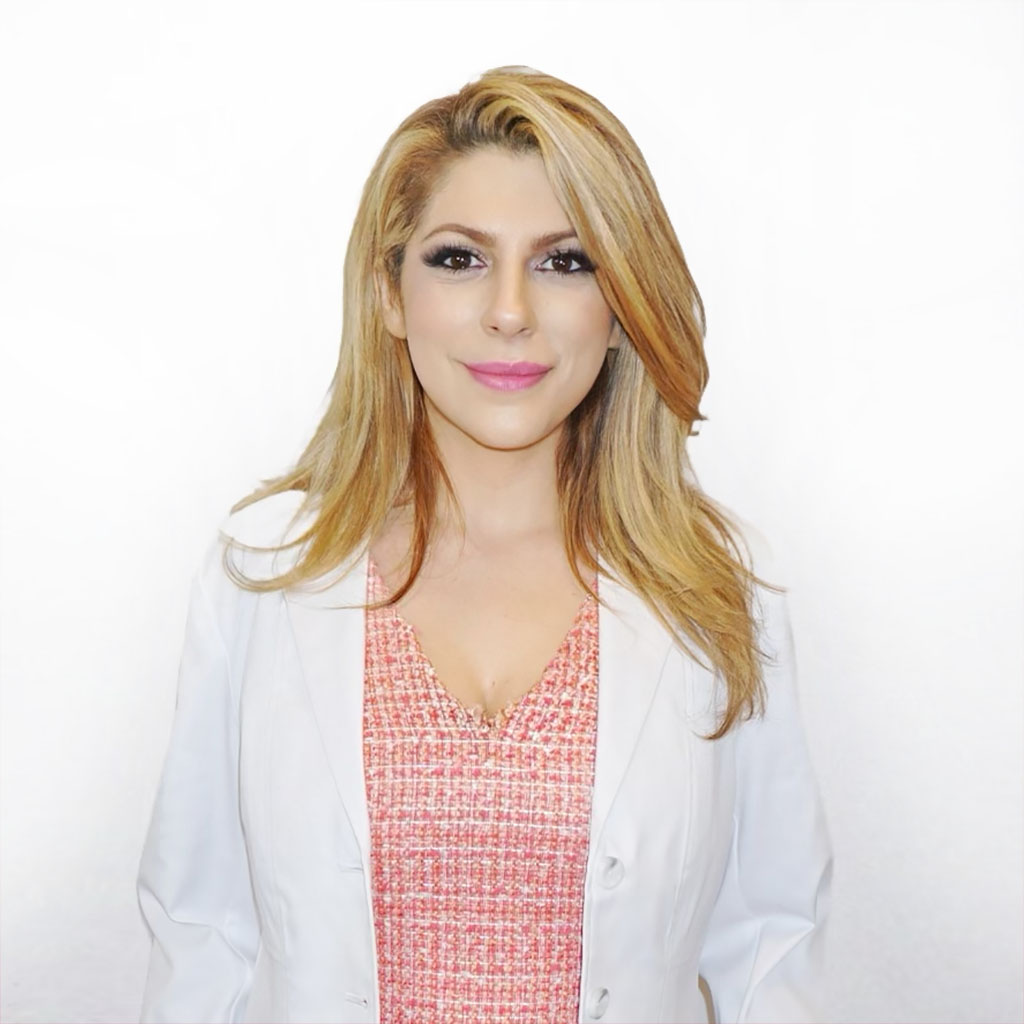
Francine Nazarian, DPM
Surgical Treatment for Metatarsalgia Pain
If conservative treatments fail and depending on the exact source of pain, we implement surgical modalities to correct the deformity and/or reduce pain.
If you have or suspect metatarsalgia, schedule an evaluation at Southern California Multi-Specialty Center, call 818-900-6480.