
Treating foot and ankle injuries
The feet and ankles play a primary role in the support and mobility of a person’s body. Injuries to the feet or ankles can be debilitating and dramatically affect one’s ability to perform otherwise simple day-to-day tasks. At our podiatry office, we help our patients through the entire rehabilitative process. Our goal is to pinpoint the source of foot and ankle traumas, such as fractures and sprains, and see them through to recovery.
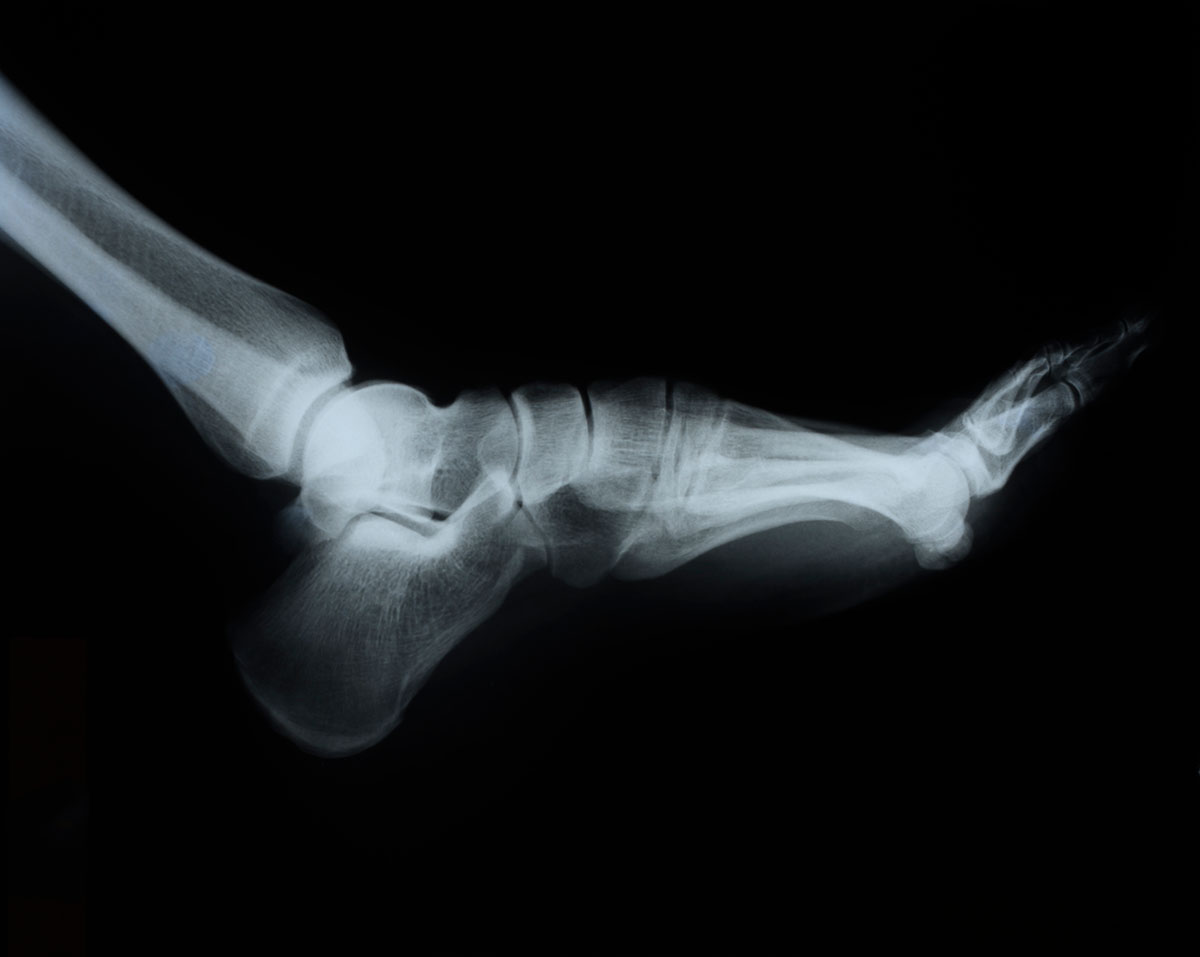
Your feet and ankles contain more than 25% of the total bones in your body.
Did you know...
More than 25 percent of the total bones in your entire body are located in your feet and ankles? There are also 33 joints and more than 100 connective tissues in each foot. These bones, joints and ligaments help facilitate movement, allowing the foot to move and contort as needed.
Why Nutrition Matters as Part of Treatment
Protein and anti-inflammatory foods support recovery
Protein and foods rich in omega-3 fats and polyphenols support recovery from musculoskeletal injury.
A more complete approach to care
When nutrition or lifestyle factors can strengthen the body’s response to treatment, they’re thoughtfully considered as part of the care plan. This broader perspective helps our patients feel supported, informed, and set up for healthier progress at every stage of treatment.
Learn how nutrition is considered in your care →
REFERENCES
- Tipton KD. Nutrition and recovery from injury. Journal of Sports Sciences. 2021;39:1473–1484.
- Calder PC. Omega-3 fatty acids and inflammation. Nutrients. 2020;12:3202.
Foot and Ankle Trama Q & A

Foot and ankle trauma typically results in pain and swelling, and potentially bruising.
What are the signs of foot or ankle trauma?
Pain and swelling are the most obvious signs of a foot or ankle trauma. If you have fractured your foot, it is likely that you will experience some pain and swelling, as well as some bruising. Depending on the extent of the fracture and where it is located, you may be able to walk or limp, though doing so may worsen the pain. If you break your ankle, the pain will be sudden and severe, preventing you from putting any weight on the affected ankle. You may also notice a visible dislocation or deformity, as well as some swelling and bruising.
How will a podiatrist treat a foot or ankle injury?
Treatment for a podiatry injury depends on the type and extent of the injury. The first step is always to rest the injury and apply ice while keeping it elevated until you can see a doctor. Some foot and ankle injuries require surgery, whereas others may only require a cast or compression. All foot and ankle injuries require a period of rest, during which time a patient must refrain from applying pressure to the affected foot or engaging in strenuous activity, such as exercise or sports. Rehabilitation may be necessary for injuries that have caused a tightening or inflammation of the muscles and ligaments.

Francine Nazarian, DPM
How can I prevent a foot or ankle trauma?
It is impossible to prevent all foot and ankle traumas, but there are preventative measures you can take to avoid an injury. Start by wearing supportive and well-fitting shoes on a daily basis. Many people wear supportive shoes when exercising, but change into dangerous pumps or flip flops for daily wear. It is just as possible to sustain a broken foot after tripping in high heels as it is to during a workout. Stretching and proper training are also important for preventing foot and ankle injuries. Talk to your podiatrist before starting a new workout regimen or activity – especially if you have been inactive for a while. An exam can reveal whether your feet are healthy enough for activity.
To schedule an evaluation with Dr. Nazarian at Southern California Multi-Specialty Center, call 818-900-6480.