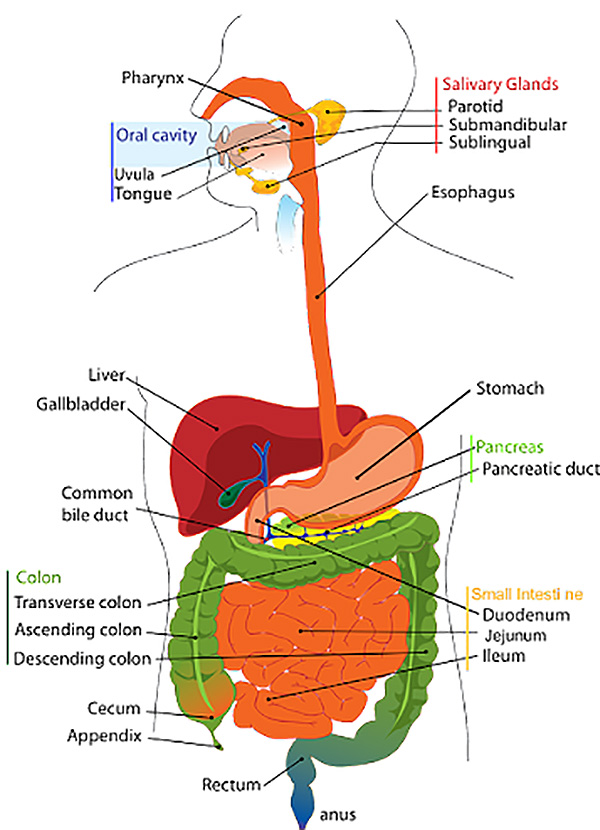
Where Is Your Gallbladder Located?
How are Gallstones and Cholecystitis Associated?
The gallbladder stores bile that’s made in the liver, then releases that bile through the bile duct and into the small intestine when it’s needed to digest fats. When gallstones develop, they can block the opening into the small intestine. As a result, bile builds up and the gallbladder becomes inflamed and infected, which is called cholecystitis.
When cholecystitis becomes chronic or persists on and off for a long time, the gallbladder can lose its ability to function. In extreme circumstances, it can become necrotic. This can spread to the common bile duct and create additional, serious problems. Abdominal pain is a common symptom.

When gallstones block the opening into the small intestine, bile can build up, resulting in the gallbladder becoming inflamed and infected. This condition is called cholecystitis.
What Causes Gallstones?
Gallstones may develop from several causes. If bile contains too much cholesterol, the extra cholesterol can form crystals that eventually turn into stones. These stones can form a blockage in the bile duct.
The bile can also contain too much bilirubin, which contributes to the formation of gallstones. If you are well hydrated but your urine becomes dark, this may be a sign of bilirubin in the urine indicating you should seek medical treatment.
You could also develop gallstones when the gallbladder doesn’t empty properly through the bile ducts, resulting in highly concentrated bile that’s more likely to cause gallstones.
Factors that may increase your risk of developing gallstone disease include:
- Your age
- Being overweight or history of rapid weight loss
- If you’re Native American or Mexican-American
- Activity level
- Eating habits, such as a high cholesterol or high-fat diet
- Family history
What are the Symptoms of Gallstones?
Gallstones alone may not cause any symptoms, but once they cause a blockage, any of the following symptoms can develop:
- Nausea or vomiting
- Pain in the upper-right quadrant of the abdomen
- Pain in the center of the abdomen
- Pain between shoulder blades
- Pain in the right shoulder
The pain often develops after eating a high-fat meal and may last for several hours. Getting early treatment for gallstones is important to prevent cholecystitis and other complications, such as pancreatitis, jaundice, or cancer of the gallbladder. It’s definitely time to seek medical help if you develop severe pain and fever.
What is Cholecystitis?
Cholecystitis (pronounced ko-luh-sis-TIE-tis) is swelling, or inflammation, of the gallbladder. Cholecystectomy is the medical term for “gallbladder removal.”
Patients who have gallstones and cholecystitis can rely on leading-edge treatment from Dr. Babak Eghbalieh at Southern California Multi-Specialty Center. His expertise in robot-assisted gallbladder removal delivers safe, optimal results with minimal scarring and less time in the hospital.
Dr. Eghbalieh sees patients throughout the Southern California area, with offices in Sherman Oaks, Valencia, and Porter Ranch with a new location opening in Tarzana in the near future.
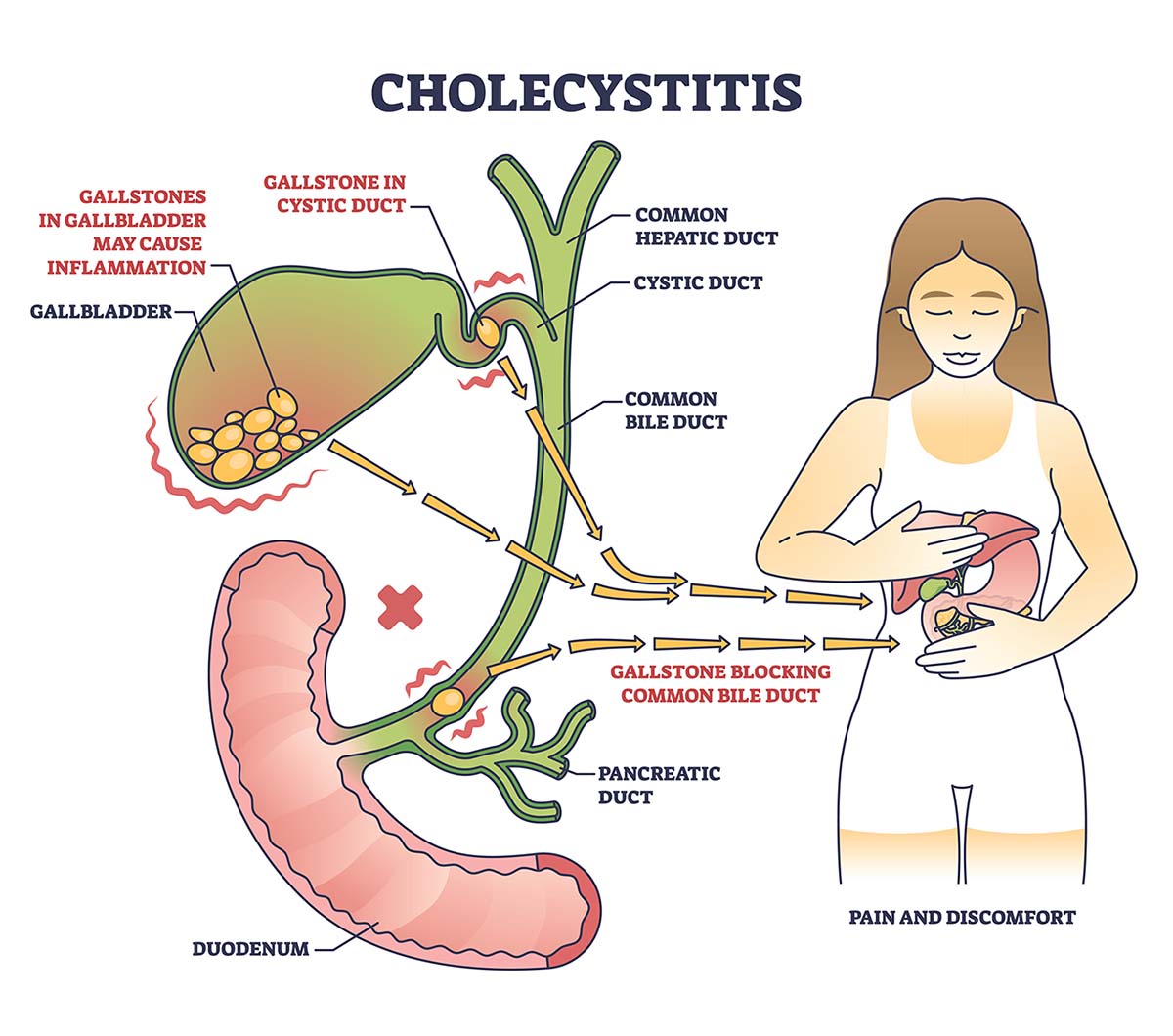
Gallstones can block the opening into the small intestine, causing the gallbladder to become inflamed and infected, which is called cholecystitis.
How are Gallstones Treated?
In cases of uncomplicated cholecystitis, you may be treated as an outpatient with antibiotics and analgesics. Otherwise, surgery is required. This usually means laparoscopic surgery, which means that Dr. Eghbalieh will perform minimally-invasive surgery to remove the gallbladder. Dr. Eghbalieh typically uses laparoscope or an advanced computer-assisted robotic system.
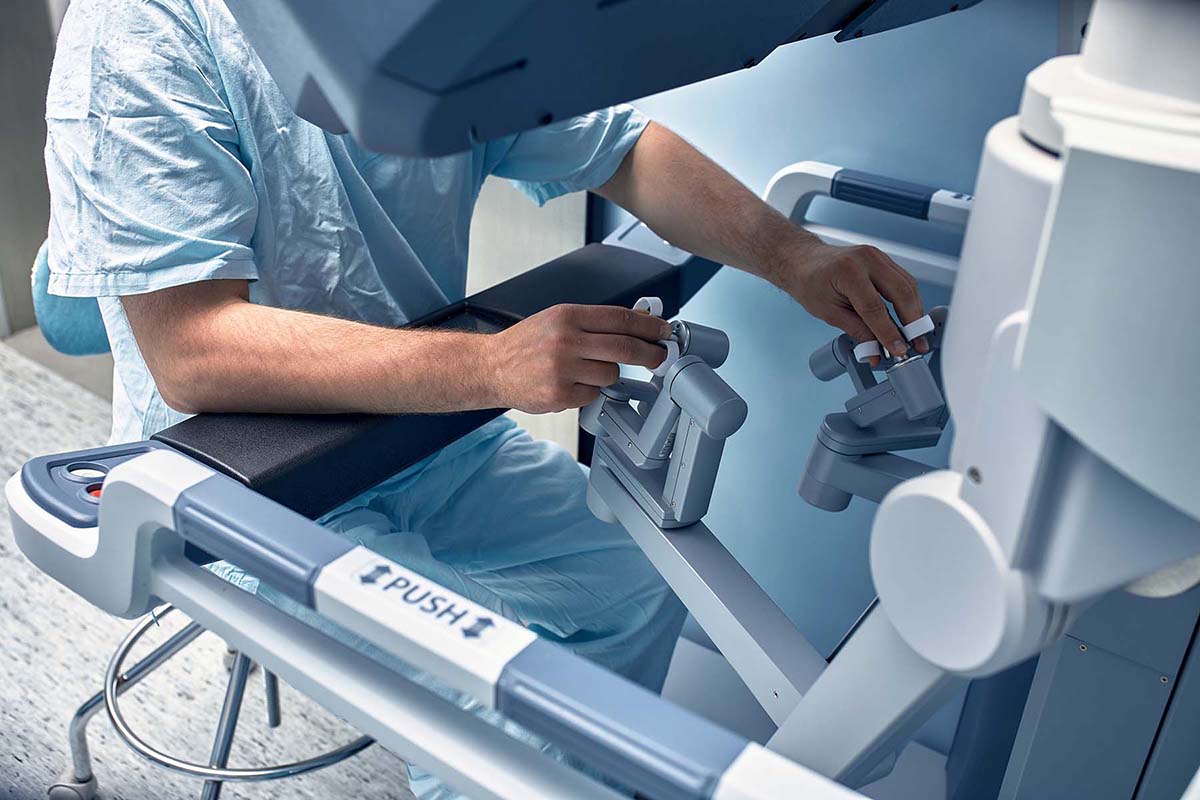
Dr. Babak “Bobby” Eghbalieh uses his robotic surgery expertise with single-site, robot-assisted cholecystectomy in gallbladder removal that’s safer and more precise than standard surgery, leaving virtually no scar.
Open Cholecystectomy versus Laparoscopic versus Robotic Cholecystectomy
Generally, an “open cholecystectomy” is not required unless there are uncommon complications. This involves a large (about 6 inches) incision in the abdomen for the gallbladder surgery.
A laparoscopic cholecystectomy involves small incisions which are considered minimally invasive and lead to faster recovery times. However, Dr. Eghbalieh’s expertise in single-site, robot-assisted cholecystectomy combined with the exceptional three-dimensional movement provided by the robotic system results in gallbladder removal that’s safer and more precise than standard surgery, with virtually no scar.
With robot-assisted cholecystectomy, patients have fewer complications, less postoperative pain, better function, minimal scarring, and a shorter stay in the hospital. Dr. Eghbalieh is an expert in robotic surgery and has a bedside manner that’s appreciated by his patients, as he gives personal attention to each surgery patient.
Why Nutrition Matters as Part of Treatment
Fat quality and meal structure support digestion
Gradual reintroduction of fats, emphasis on unsaturated fats, and smaller meals can improve digestive tolerance after gallbladder disease or surgery.
A more complete approach to care
When nutrition or lifestyle factors can strengthen the body’s response to treatment, they’re thoughtfully considered as part of the care plan. This broader perspective helps our patients feel supported, informed, and set up for healthier progress at every stage of treatment.
Learn how nutrition is considered in your care →
REFERENCES
- Di Ciaula A, et al. Dietary factors and gallstone disease. Nutrients. 2021;13:1691.
- Weimann A, et al. ESPEN guideline on clinical nutrition in surgery. Clinical Nutrition. 2021.
Cholecystitis and Gallstone Q & A
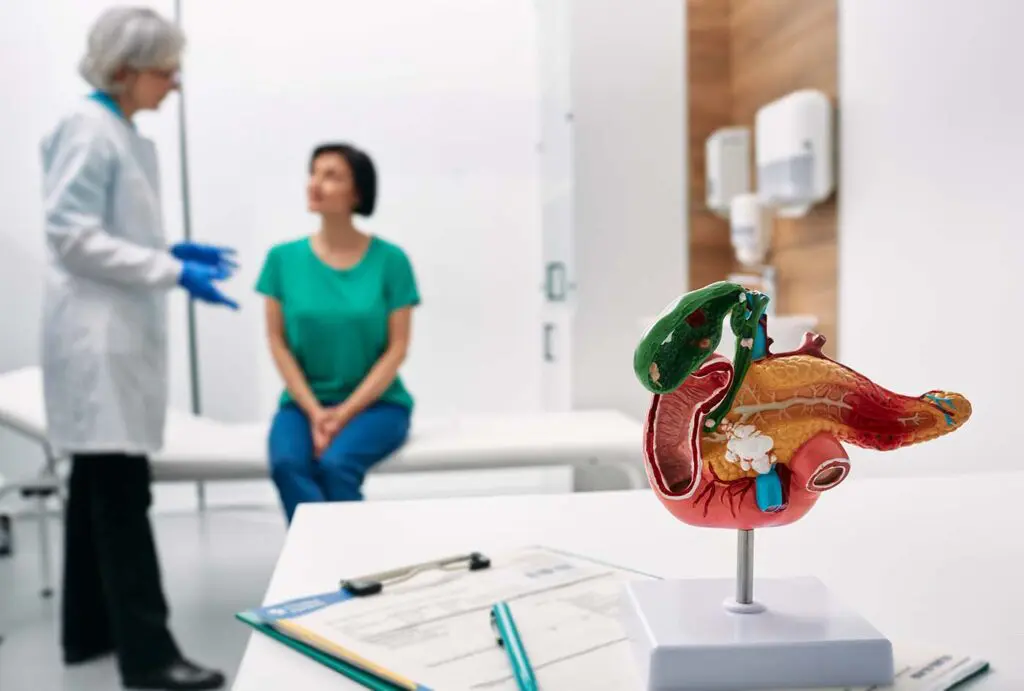
Approximately 1 in 10 people in the United States have gallstones, and women are more likely than men to develop gallstones.
Can I prevent gallstones from forming?
What should I eat if I have gallstones?
How long does recovery take after gallstone surgery?
Are there risks if I delay gallstone treatment?
Are there alternatives to surgery for gallstones?
Cholecystitis Treatment Options
If you are experiencing symptoms of cholecystitis, such as intense, sudden pain in the upper right part of your belly, nausea, vomiting, fever, jaundice or belly bloating, contact SCMSC. The SCMSC team in Los Angeles is always here, blending professional expertise with a touch of human understanding.
Trust your care to Dr. Bobby Eghbalieh, one of Los Angeles’ top gallstones specialists, and his team of specialists. Their expertise in robot-assisted gallbladder removal ensures safer surgery, less pain, and quicker recovery at SCMSC’s four locations in Sherman Oaks, Valencia, Porter Ranch, and Tarzana. To schedule an evaluation at Southern California Multi-Specialty Center, call 818-900-6480.
Our Expert General & Robotic Surgery Team
SCMSC’s board-certified surgeons bring advanced training and focused experience across a wide range of general surgical procedures. We believe informed patients make stronger decisions, and we welcome second opinions when facing important surgical choices. Every recommendation is made with clarity, precision, and your long-term health in mind.
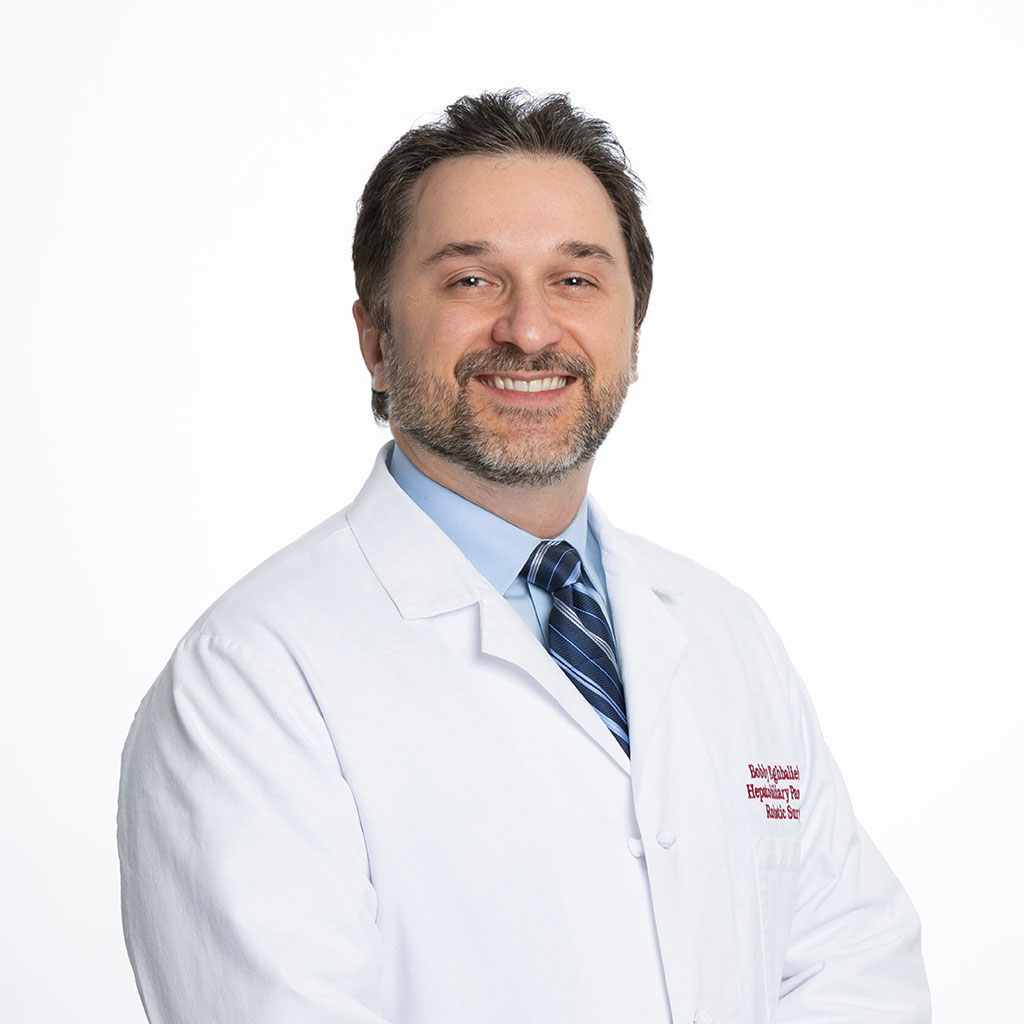
Babak (Bobby) Eghbalieh, M.D., FACS
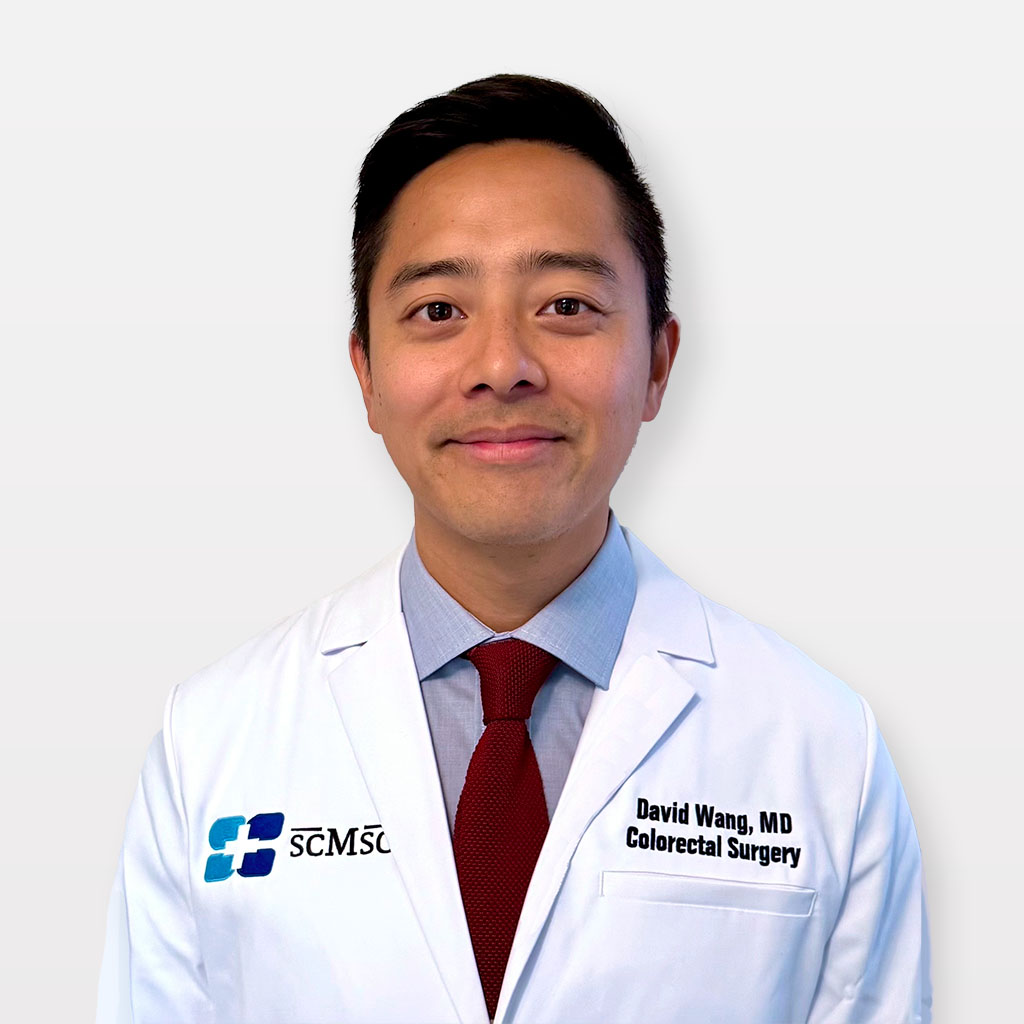
David Wang, MD
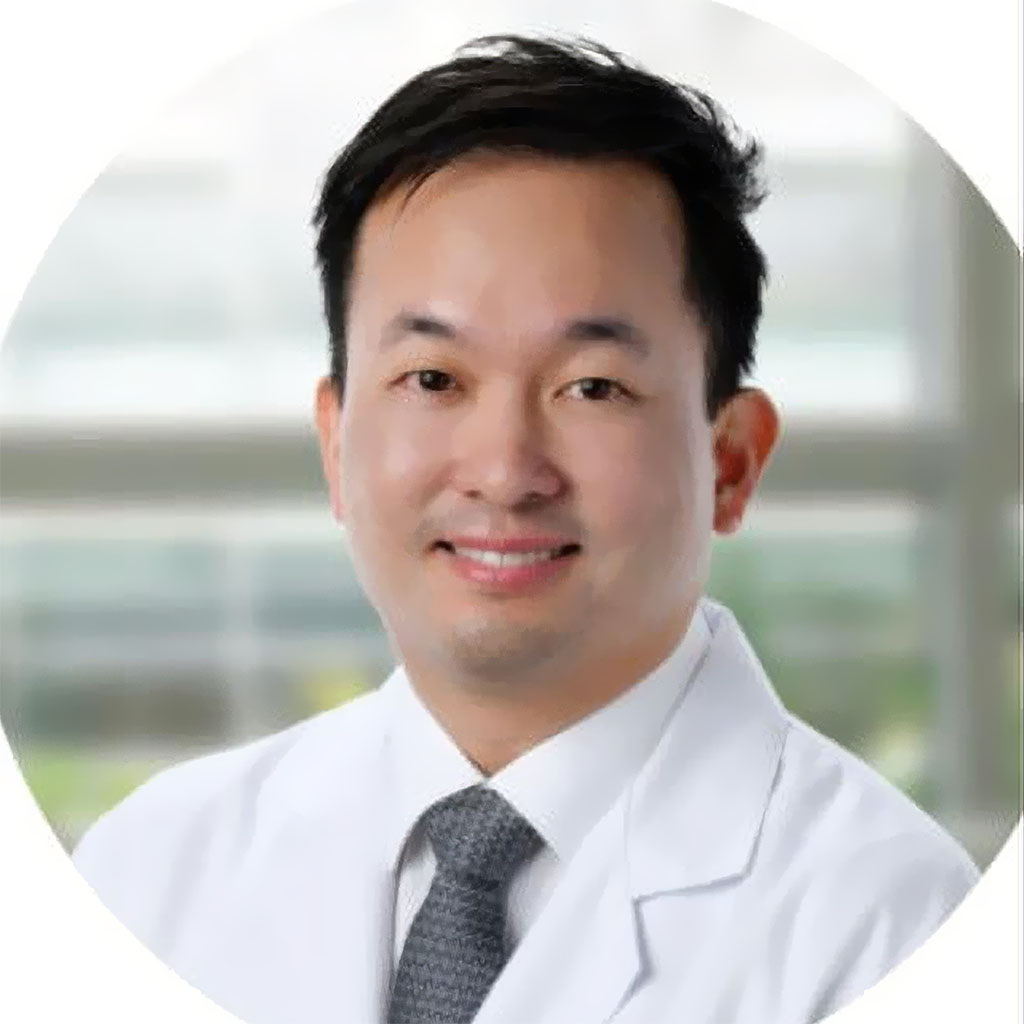
Seong (Sam) Gon Bae, M.D., FACS