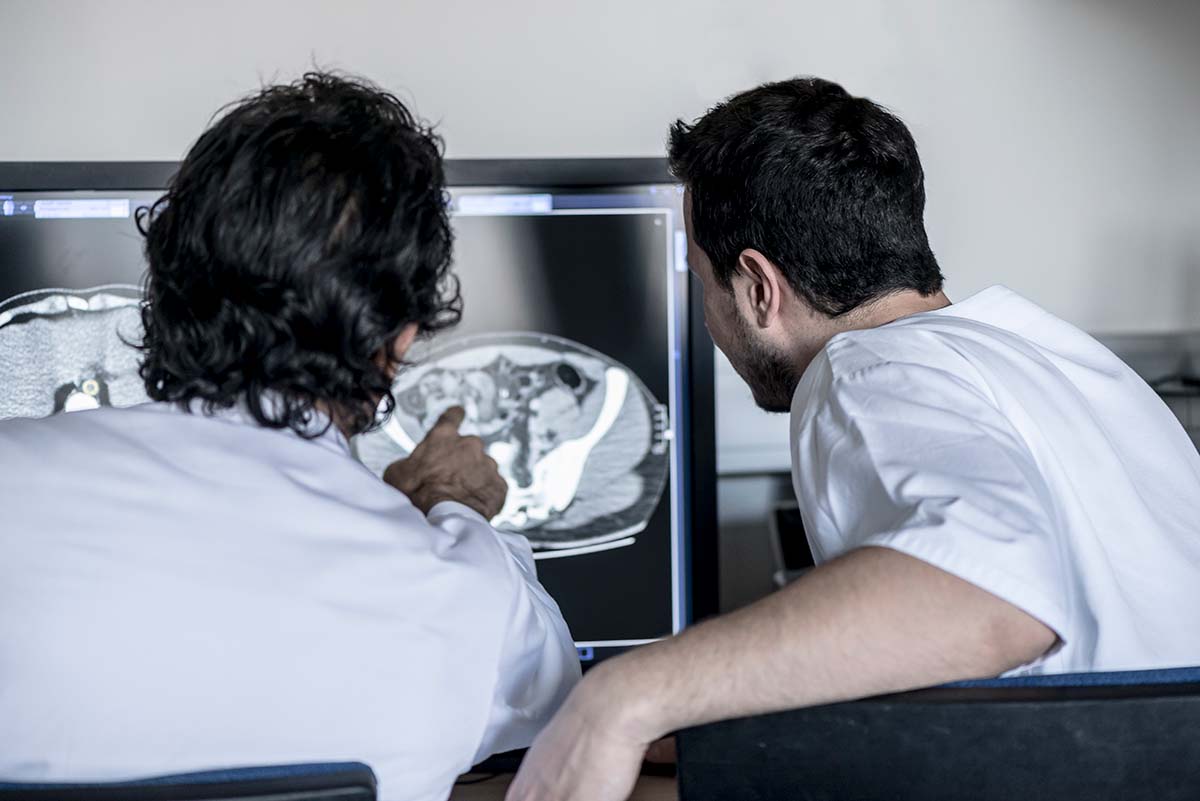
Colon and rectal cancer are among the most common cancers affecting the digestive tract. When diagnosed, choosing the right colorectal surgeon and care team can significantly influence treatment options, surgical outcomes, and long-term recovery.
At Southern California Multi-Specialty Center (SCMSC) in Los Angeles, Dr. Bobby Eghbalieh leads a team of specialized colorectal surgeons focused on advanced, minimally invasive colon and rectal surgery. Our colorectal cancer treatment approach combines robotic surgery, evidence-based planning, and coordinated care across specialties.
For patients seeking colon cancer treatment in Los Angeles, the most important decision is choosing a surgical team prepared for both early-stage disease and more complex cases.

Understanding colon and rectal cancer
Colorectal cancer develops in the large intestine — the colon and rectum — which are part of the digestive system.
Most cases begin as small, noncancerous growths called polyps. Over time, some polyps can develop into cancer. That is why screening colonoscopy matters. In some cases, if a cancer is detected early inside a polyp, it can be removed completely during colonoscopy before major surgery is needed.
When cancer grows beyond a polyp, surgery becomes the main treatment.
Certain conditions increase risk, including inflammatory bowel disease such as ulcerative colitis or Crohn’s disease, family history of colorectal cancer, and inherited syndromes like familial adenomatous polyposis.
Because colorectal cancer can develop quietly, screening and early detection are critical. The American Cancer Society recommends routine screening beginning at age 45 for most individuals.
When identified early, colorectal cancer is highly treatable.
The role of colonoscopy in early detection
Colonoscopy remains the most effective tool for detecting and preventing colorectal cancer. During a colonoscopy, precancerous polyps can often be removed before they ever become cancer. If an early cancer is discovered, it may sometimes be completely removed during the procedure, avoiding more extensive surgery.
When a colorectal surgeon performs the colonoscopy, subtle abnormalities can be recognized and addressed with specialized expertise. If you’d like to understand why having a colorectal surgeon perform your colonoscopy can matter — especially if something unexpected is found — read our detailed guide HERE.
When identified early, colorectal cancer is highly treatable.
How colorectal cancer is treated
Treatment depends on stage, tumor location, and whether cancer cells have reached nearby lymph nodes or other organs.
For most colon cancer patients, surgery is the primary treatment. A partial colectomy — where the surgeon removes the portion of the colon containing the tumor along with nearby lymph nodes — is typically the most direct and reliable way to remove the cancer when it has not spread. The remaining healthy sections of the colon are then carefully reconnected to restore normal bowel function whenever possible.
When rectal cancer is present, surgical planning becomes more nuanced. Depending on tumor position and depth, rectal surgery may be combined with radiation therapy or chemotherapy to reduce the risk of recurrence. In selected cases, advanced reconstructive procedures — such as ileal pouch anal anastomosis (commonly known as J pouch surgery) — may be considered to preserve bowel function after removal of diseased tissue.
Whenever possible, procedures are performed using laparoscopic or robotic surgery, which are minimally invasive techniques that use small incisions rather than a large abdominal opening. These approaches allow surgeons to operate with enhanced visualization and precision while reducing trauma to surrounding tissue.
Today, the majority of elective colon cancer surgeries in experienced centers are performed using minimally invasive methods when patients are appropriate candidates. Open surgery remains necessary in certain complex or emergency situations, but careful preoperative evaluation allows many patients to benefit from smaller incisions, faster recovery, and fewer wound complications.
At Southern California Multi-Specialty Center, every surgical plan is tailored to the individual. Our goal is simple: remove the cancer completely, protect long-term bowel function whenever possible, and guide patients safely through treatment with clarity and confidence.
SCMSC’s approach to colorectal surgery
Dr. Bobby and his expert team of colorectal surgeons perform advanced colon and rectal surgery using minimally invasive techniques whenever appropriate.
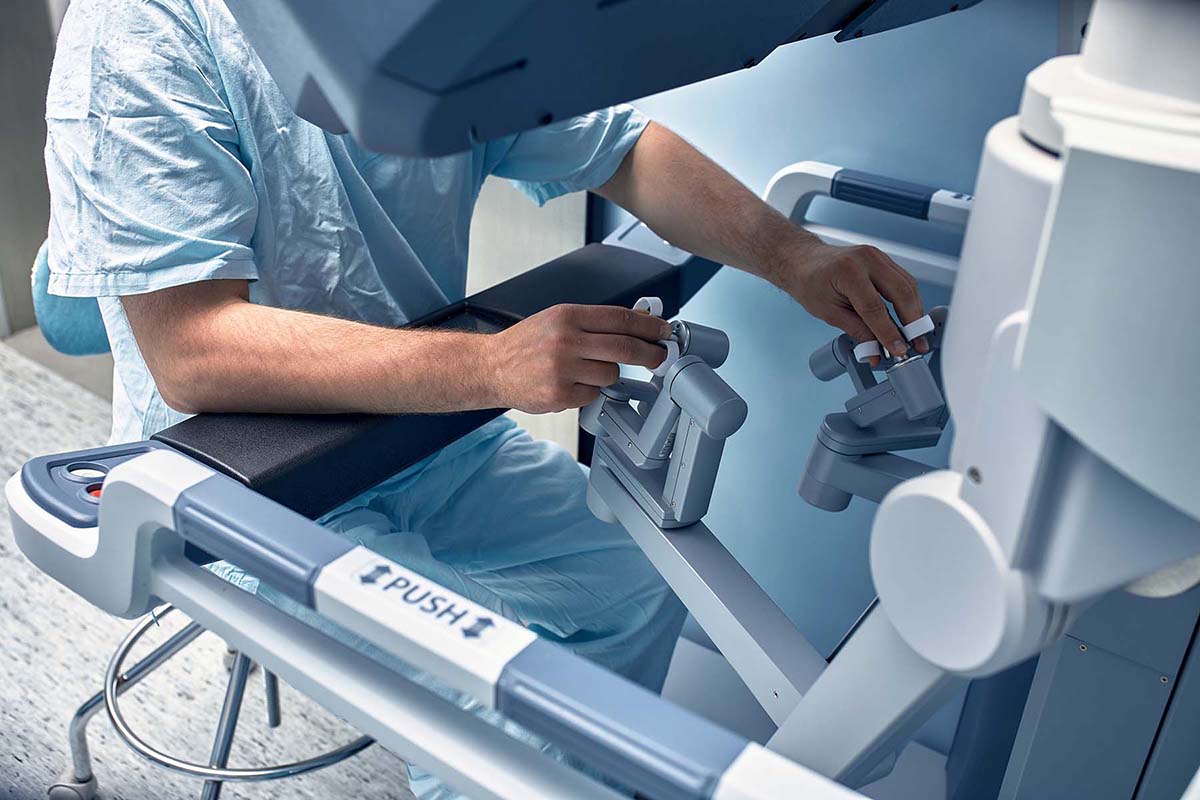
Robotic surgery allows for precise dissection within the pelvis, which is especially important in rectal cancer. Enhanced visualization and controlled movement help protect healthy tissue and preserve bowel function.
Compared to traditional open surgery, robotic surgery and laparoscopic surgery allow operations to be performed through small incisions rather than a large abdominal opening. For many patients, this means:
• Less pain after surgery
• Lower infection risk
• Shorter hospital stay
• Faster return to normal physical activity
Rectal surgery requires particular precision. The pelvis is a tight space, and protecting nerves and surrounding structures is essential. Robotic technology allows careful dissection while preserving as much healthy tissue as possible.
Whenever medically appropriate, sphincter sparing surgery is prioritized to avoid a permanent colostomy. However, patient safety and complete cancer removal always guide the final decision.
When colon cancer spreads beyond the colon
Approximately 30% of colorectal cancer cases involve spread to the liver. When colon cancer extends beyond the large intestine, treatment planning becomes more complex. Hearing that cancer has spread can feel overwhelming, but it does not automatically remove surgical options.
In some cases, surgery can still be performed safely. In others, chemotherapy, targeted therapy, or immunotherapy may be used first to shrink tumors before surgery is reconsidered.
Treatment decisions in these situations require close coordination between colorectal surgeons, medical oncologists, and sometimes radiation oncologists. Planning is not one-size-fits-all. It is careful and case-specific.
For more detailed information about advanced disease management including stage 4 colorectal cancer treated with coordinated surgical strategies, visit our article on Stage 4 Colon Cancer Metastasis to the Liver.
Early evaluation or a second opinion by an experienced surgical team can expand available treatment options.

Personalized, multispecialty cancer care
Colon and rectal cancer surgery in Los Angeles is performed by board-certified colorectal surgeons with specialized training in diseases of the colon, rectum, and anus – often involving more than one specialist.
• Colorectal surgeons
• Medical oncologists
• Radiation oncologists
• Advanced practice providers
• Registered dietitians
This collaboration allows treatment decisions to reflect the full picture — including tumor stage, genetic findings, overall health, and recovery goals.
For some patients, participation in clinical trials may also be discussed. Clinical trials allow access to emerging therapies when appropriate.
What to expect after colon or rectal surgery
Most minimally invasive colon and rectal surgeries require several days in the hospital. During that time, bowel function gradually returns and patients begin walking soon after surgery.
Temporary changes in bowel movement patterns are common. The remaining bowel adapts over time.
In some cases, a temporary ostomy may be needed to allow healing. Permanent colostomy is only recommended when medically necessary for safety or cancer control.
After surgery, pathology results guide next steps. If cancer is found in lymph nodes, chemotherapy may be recommended.
Why Nutrition Matters as Part of Treatment
Protein and fiber support recovery
Adequate protein supports muscle and healing, while fiber-rich foods support gut health and metabolic resilience during and after cancer treatment.
A more complete approach to care
When nutrition or lifestyle factors can strengthen the body’s response to treatment, they’re thoughtfully considered as part of the care plan. This broader perspective helps our patients feel supported, informed, and set up for healthier progress at every stage of treatment.
Learn how nutrition is considered in your care →
REFERENCES
- Arends J, et al. ESPEN guidelines on nutrition in cancer patients. Clinical Nutrition. 2021;40:2898–2913.
- Aune D, et al. Dietary fiber and cancer outcomes. BMJ. 2020;371:m4494.
Frequently Asked Questions
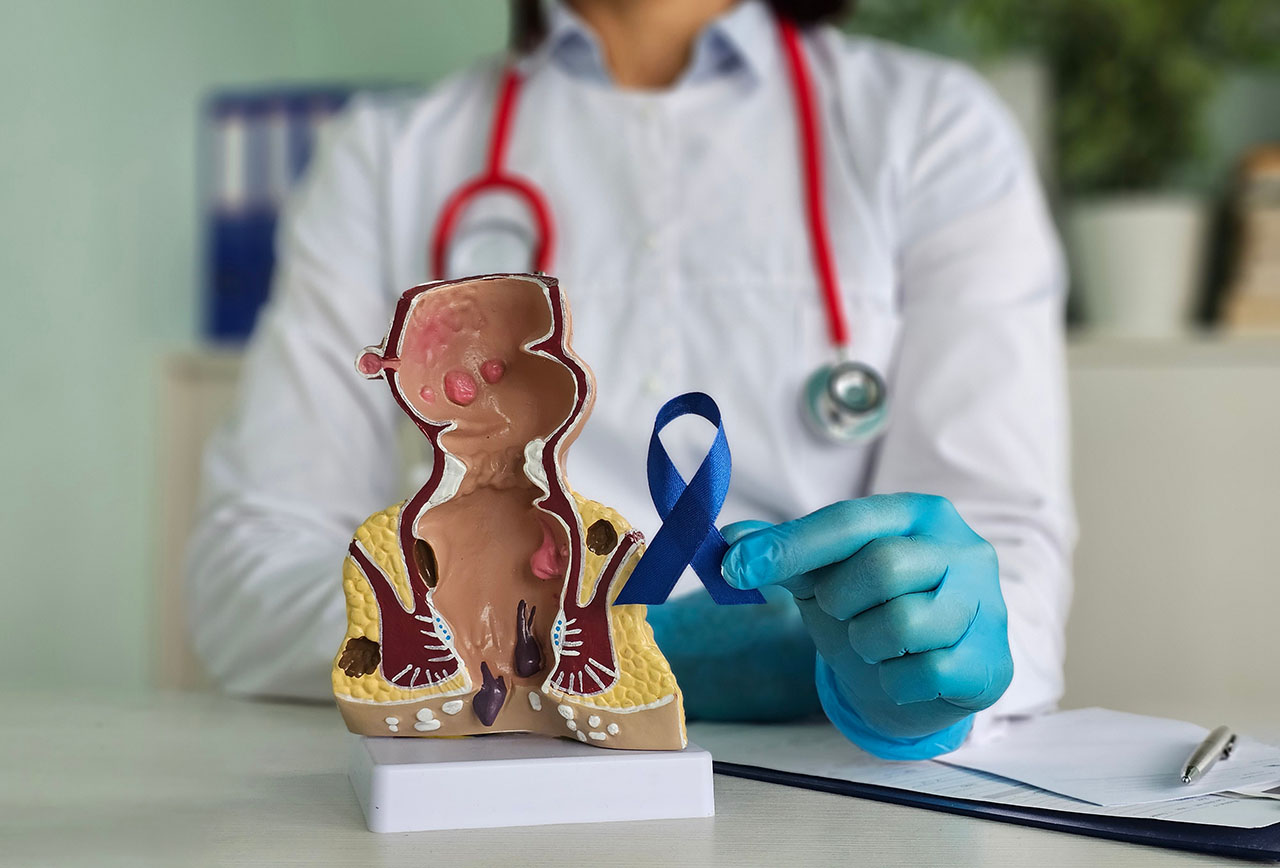
See a doctor if you are experiencing bleeding from the rectum, changes in bowel habits or abdominal pain, as they could be symptoms of colon cancer.
Where can I find experienced colon cancer treatment in Los Angeles?
Patients seeking colon cancer treatment in Los Angeles should look for board-certified colorectal surgeons who specialize in minimally invasive and robotic colorectal surgery. Experience with both early stage cancer and more advanced disease — including cases involving nearby lymph nodes or spread beyond the colon — is critical. At Southern California Multi-Specialty Center, treatment planning is led by dedicated colorectal surgeons working within a multidisciplinary care team.
What is the most effective treatment for colon and rectal cancer?
For most early stage colon and rectal cancer, surgical removal of the tumor and nearby lymph nodes offers the best chance of cure. Depending on staging, chemotherapy or radiation therapy may also be recommended. The most effective treatment is one that completely removes the cancer while protecting long-term bowel function and overall health.
Can rectal cancer surgery avoid a permanent colostomy?
How do doctors decide if chemotherapy or radiation is needed after surgery?
Is minimally invasive or robotic surgery safe for colorectal cancer?
Treatment of Colorectal Cancer
After the cancer is diagnosed, the cancer and part of the colon must be surgically removed. Dr. Eghbalieh is a highly-trained and experienced general surgeon, and a specialist in robotic surgery and minimally-invasive laparoscopic surgery. The doctor’s surgical expertise combined with the latest surgical instruments give patients a safe and effective option for removal of their colorectal cancer.
When Dr. Eghbalieh performs robot-assisted surgery for colorectal cancer, the state-of-the-art device offers several advantages. It gives Dr. Eghbalieh a three-dimensional view of the colon, provides extreme steadiness during the procedure, and allows him to manipulate the highly-mobile robotic arms for meticulous cancer removal. Dr. Eghbalieh has performed the most robotic surgeries in the Los Angeles area.
Dr. Eghbalieh successfully reconnects the colon in most cases, depending on the location and severity of the cancer. Following robot-assisted minimally-invasive surgery, patients need less time to recover and have less pain than after conventional colon surgery or rectal cancer surgery.
To schedule an evaluation with Dr. Eghbalieh at Southern California Multi-Specialty Center, call 818-900-6480.
Our Expert General & Robotic Surgery Team
SCMSC’s board-certified surgeons bring advanced training and focused experience across a wide range of general surgical procedures. We believe informed patients make stronger decisions, and we welcome second opinions when facing important surgical choices. Every recommendation is made with clarity, precision, and your long-term health in mind.
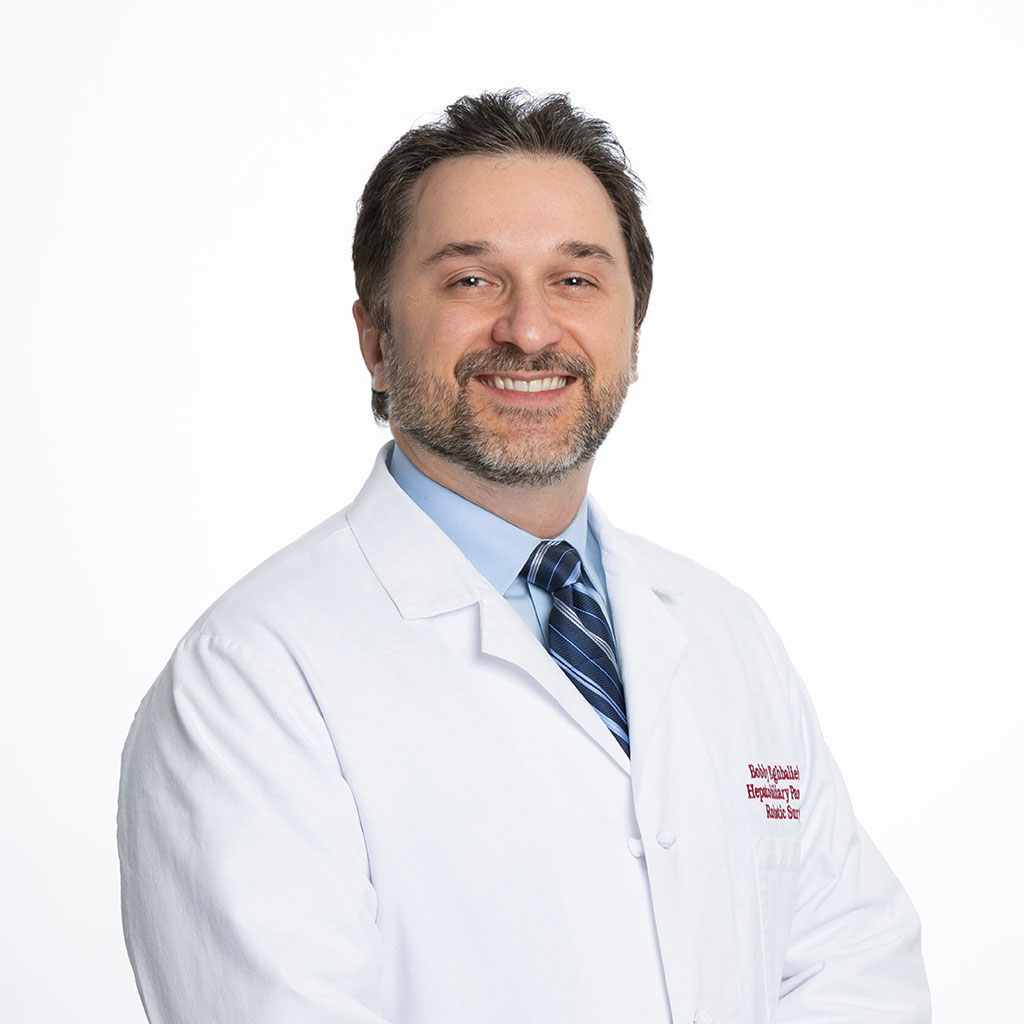
Babak (Bobby) Eghbalieh, M.D., FACS
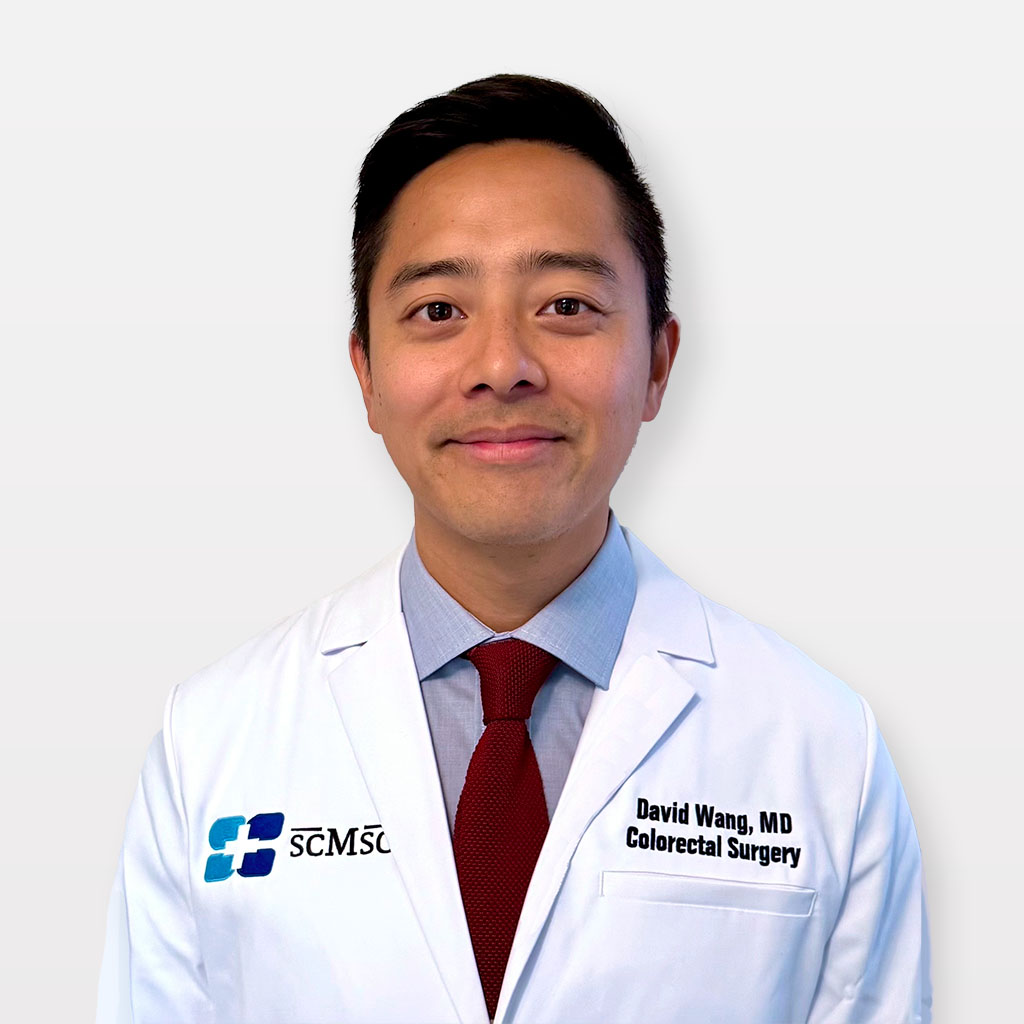
David Wang, MD
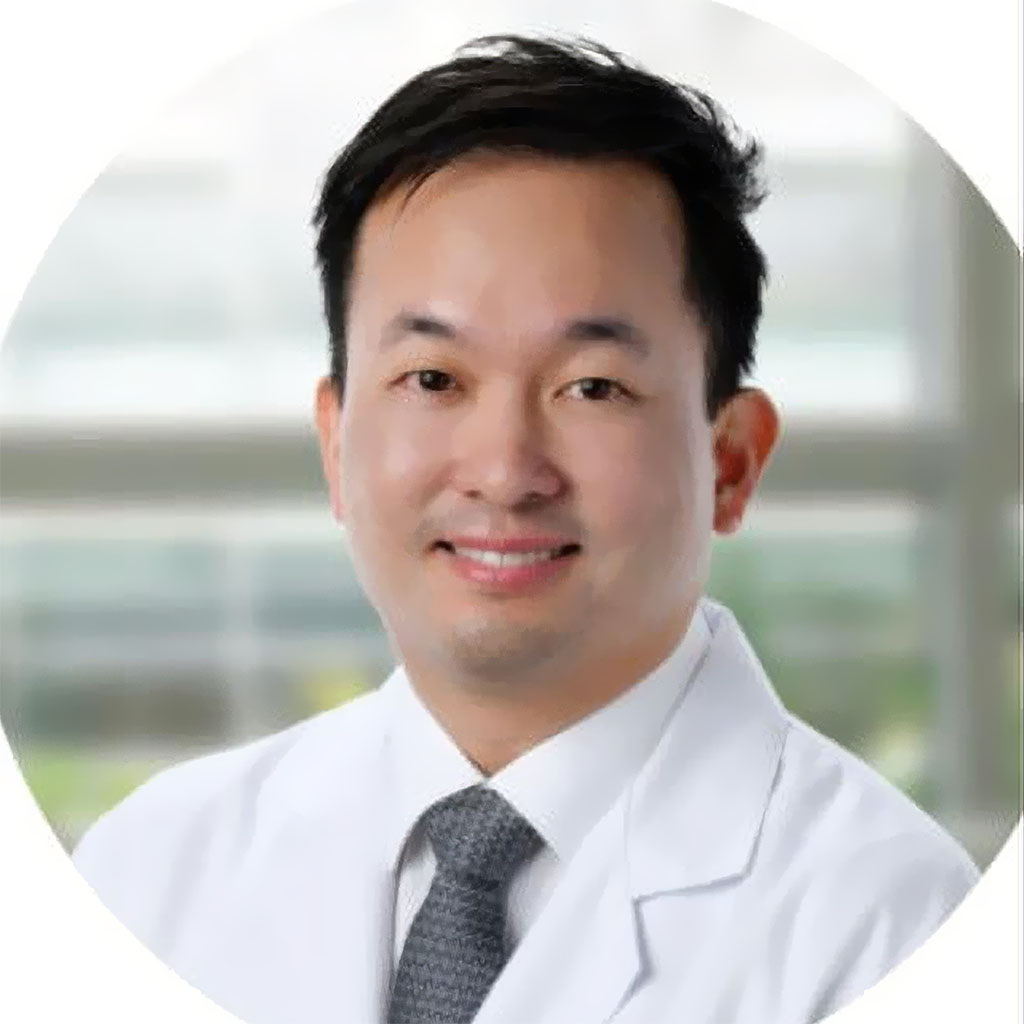
Seong (Sam) Gon Bae, M.D., FACS
Schedule an Appointment for Colon Cancer Treatment
A consultation allows us to review imaging, pathology, and staging in detail and outline realistic treatment options. Early planning can make a significant difference in both outcomes and quality of life.
Southern California Multi-Specialty Center provides colon cancer treatment in Los Angeles with a focus on precision surgery, multidisciplinary coordination, and individualized care. Contact our office to schedule your appointment today.