
A Food-First Approach to Liver Health
If you’ve been told you have fatty liver disease — now often called metabolic dysfunction–associated steatotic liver disease (MASLD) — you’re not alone, and you’re not out of options.
Nutrition is one of the most effective tools available to support liver health. Not as a short-term diet or reset, but as daily metabolic care. Small, consistent food choices influence liver fat, inflammation, insulin sensitivity, and blood work over time.
This guide explains what actually matters for fatty liver nutrition, why it works, and how realistic changes can support long-term improvement alongside medical care.
Our Care Promise at SCMSC
Fatty liver disease develops gradually, and improvement happens the same way. The most effective nutrition plans are realistic, culturally appropriate, and coordinated with medical treatment.
At Southern California Multi-Specialty Center, Registered Dietitians work closely with your medical team. Care is not siloed. Nutrition decisions are informed by lab work, imaging, medications, and metabolic goals so recommendations align with the full picture of your health.
What this looks like in practice:
- Reviewing labs and imaging together, including liver enzymes, triglycerides, and CAP scores
- Aligning nutrition guidance with medications and metabolic targets
- Building food strategies you can maintain in real life
You don’t need to eat perfectly to make meaningful progress. Consistency matters far more than perfection.

What Matters Most for Fatty Liver Nutrition
Steady Progress Beats Extreme Dieting
Research consistently shows that modest, gradual weight loss can significantly reduce liver fat and inflammation. In many cases, losing about 5–10% of body weight leads to measurable improvement in liver health.
More aggressive approaches are not required and are often difficult to sustain. Just as important, food quality matters even when weight loss is modest. Nutrition supports liver health through multiple pathways, not the scale alone.
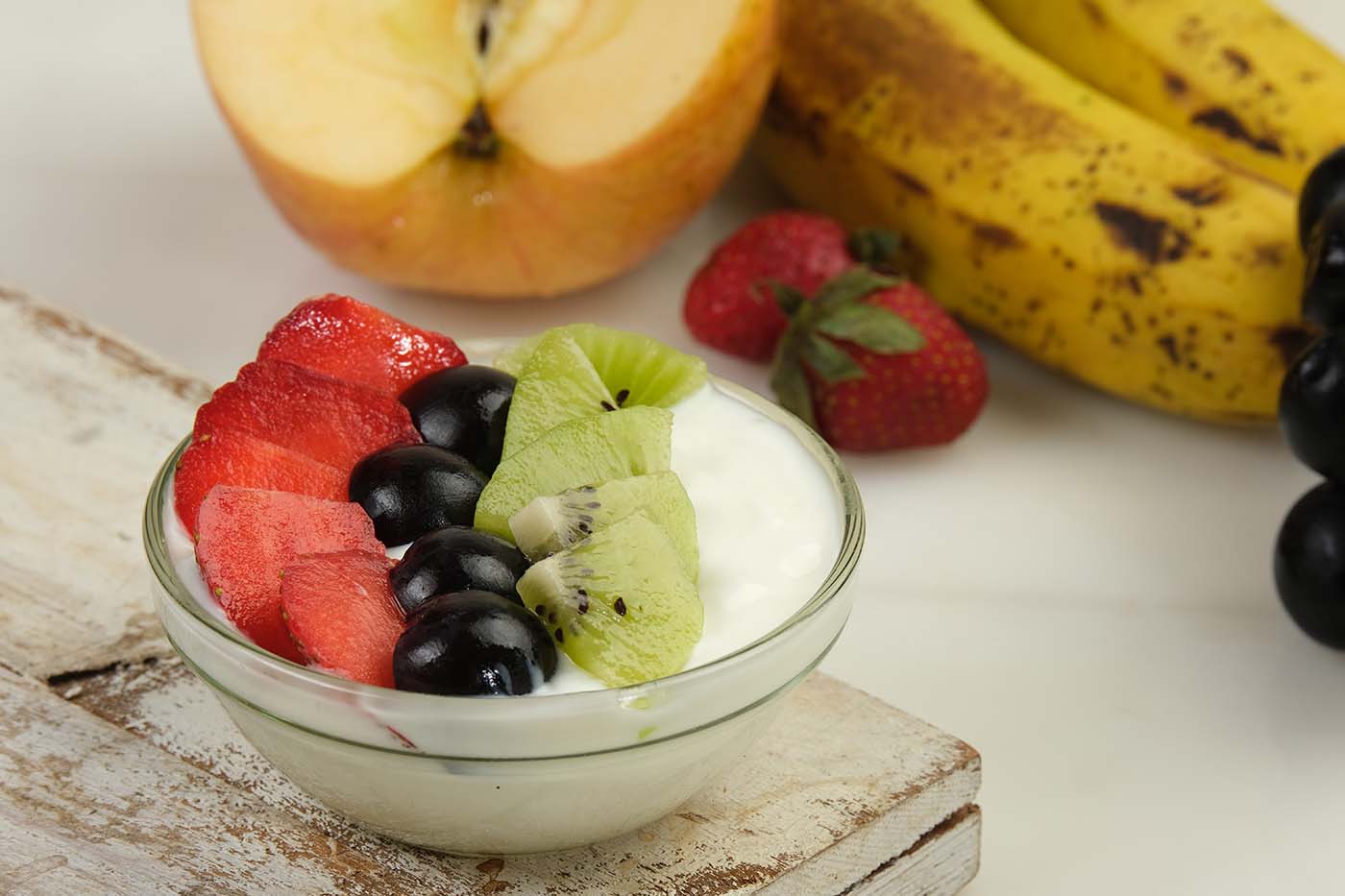
Protein-Forward Meals Protect Metabolism
Protein plays a key role in fatty liver disease because it supports metabolism during lifestyle changes.
Adequate protein intake helps:
- Preserve lean muscle mass
- Improve insulin sensitivity
- Reduce excess fat production in the liver
- For many adults, this simply means including a protein source at each meal. Preserving muscle supports liver health, energy levels, and long-term metabolic stability.
Simple protein anchors include:
- Eggs with vegetables
- Greek yogurt or cottage cheese with fruit
- Fish, chicken, tofu, beans, or lentils with meals
Carbohydrates: Focus on Quality, Not Elimination
Fatty liver disease is more strongly linked to added sugars and refined carbohydrates than to whole, fiber-rich foods.
Carbohydrates do not need to be avoided. The type and quality matter.
Helpful carbohydrate choices include:
- Oats and whole grains
- Beans and lentils
- Vegetables of all kinds
- Whole fruits, especially berries and citrus
Sugary drinks, sweets, and refined snack foods are best limited, but carbohydrates can remain part of a balanced eating pattern.
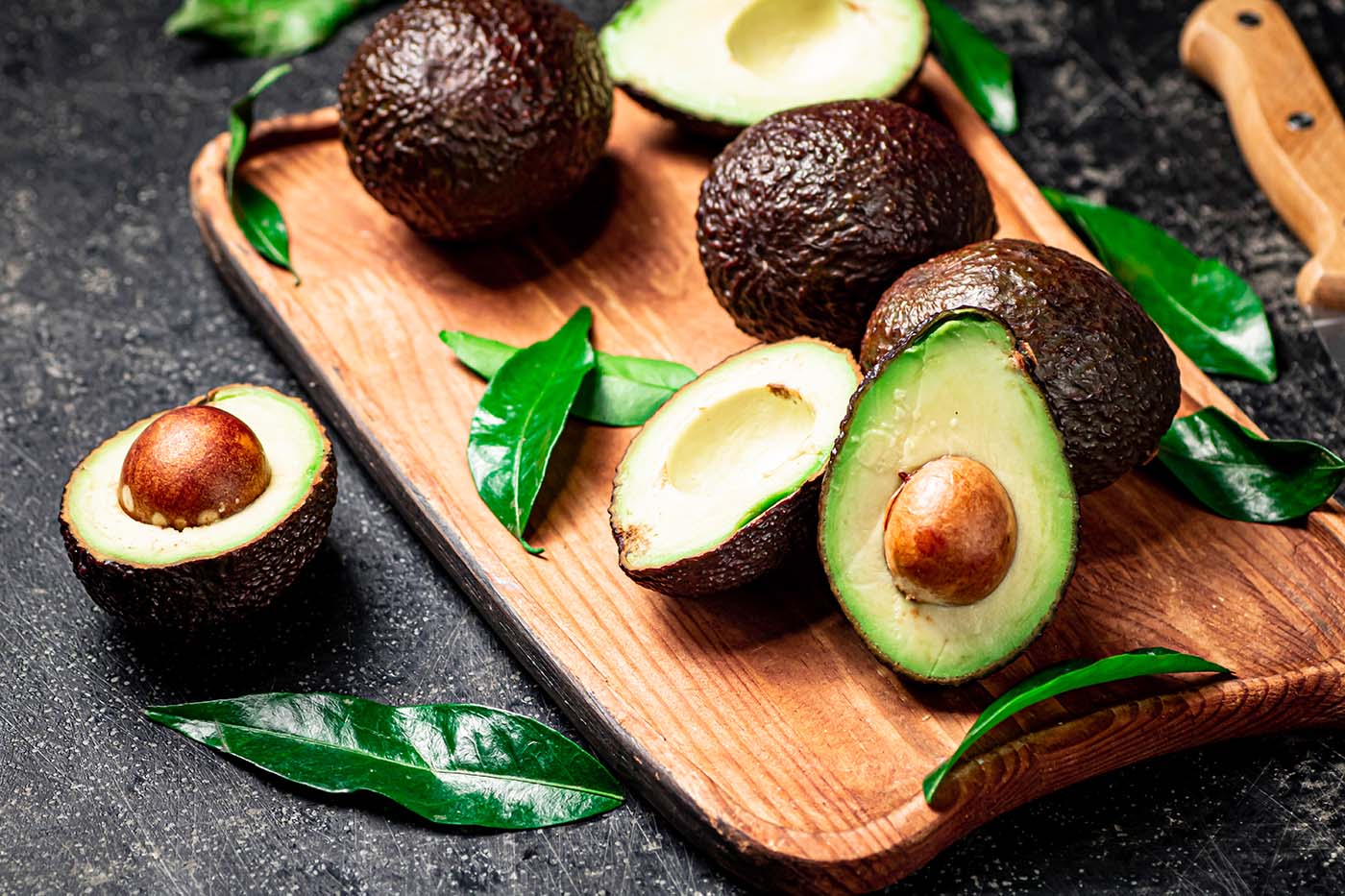
Fats That Support Liver Health
Not all fats affect the liver in the same way.
Unsaturated fats support healthier cholesterol levels and help reduce liver fat, especially when they replace saturated fats like butter, cream, and processed meats.
Fats to include more often:
- Olive oil and avocado oil
- Avocados
- Nuts and seeds
- Fatty fish such as salmon and sardines
These fats support metabolic health without requiring restrictive eating.
Foods With Added Liver Benefits
Some everyday foods have been shown in human studies to support liver and metabolic health when eaten regularly.
Examples include:
- Whole grains such as quinoa, which can improve triglyceride levels
- Citrus fruits, which provide flavonoids that support liver enzymes when eaten whole
- Ground flaxseed, which supports healthier lipids, liver enzymes, and gut health
- Herbs and spices, which help reduce inflammation when used regularly
- Fiber-rich foods, which strengthen the gut–liver connection
These foods work best as part of a balanced pattern, not as stand-alone “superfoods.”
The Gut–Liver Connection
The liver and gut communicate constantly. Diets low in fiber and high in processed foods can disrupt this relationship and increase inflammation.
Foods that support gut health include beans, lentils, whole grains, fruits, vegetables, nuts, and seeds. Improving gut health helps reduce inflammation that can worsen fatty liver disease and interfere with recovery.

Coffee and Liver Health
Several large studies show that regular coffee intake is associated with better liver health. Drinking about 2–3 cups per day has been linked to lower liver enzyme levels and slower disease progression.
Both regular and decaffeinated coffee appear beneficial. Added sugars and heavy creamers should be kept modest to preserve these effects.

Why Movement Makes Nutrition Work Better
Nutrition changes are powerful on their own, but results are strongest when paired with regular movement.
Physical activity helps:
- Improve insulin sensitivity
- Reduce liver fat
- Preserve muscle mass
This does not require intense workouts. Walking, light strength training, or other enjoyable movement can significantly enhance the benefits of nutrition therapy, even when weight loss is modest.
Build Your Plate With Simple Balance
A helpful rule of thumb for meals is:
Protein + fiber-rich plants + healthy fats
Balanced meal ideas include:
- Salmon, quinoa, and roasted vegetables
- Chicken or tofu with beans, greens, and olive oil
- Greek yogurt with berries and ground flaxseed
- Lentils with vegetables over brown rice
If appetite is low, smaller meals, soups, or smoothies can still provide meaningful nutrition.
Patient-Centered Guidance From Our Dietitian Team
Small changes add up over time
Lasting improvements in liver health come from consistent habits, not drastic overhauls. Even small adjustments, repeated daily, can lead to meaningful changes in lab values and metabolic health.
Convenience foods can fit with guidance
Real life doesn’t always allow for cooking from scratch. With the right guidance, convenient options can still support liver health and fit into a balanced eating pattern.
Cultural and family foods are welcome
Nutrition plans work best when they respect cultural traditions and family meals. Incorporating familiar foods helps make changes sustainable and realistic over the long term.
You don’t need perfection to improve lab results
Progress is not about eating perfectly. Many patients see improvements in liver enzymes and metabolic markers without following rigid rules or eliminating favorite foods.
Nutrition plans evolve as your health improves
As lab values, medications, or goals change, nutrition guidance should adapt as well. Ongoing adjustments help ensure the plan continues to support your health at every stage.
When to Contact Your Care Team
Reach out to your SCMSC clinician or Dietitian if you notice ongoing fatigue, appetite loss, rising liver enzymes, confusion about nutrition advice, or difficulty maintaining changes. Adjusting the plan is part of care, not a setback.
Ready for a Personalized Plan?
SCMSC Dietitians work closely with physicians to personalize nutrition care for fatty liver disease, review lab results, and support long-term metabolic health.
Visit SCMSC Dietitian Support to get started.