
Coming home after surgery can feel like a relief and a big responsibility at the same time. At Southern California Multi-Specialty Center (SCMSC), our goal is to give you clear, practical post operative home care instructions so you’re not left wondering what’s normal and what needs a call to the office.
These are general instructions to support your recovery. Your surgical procedure, anesthesia (including any spinal anesthetic), and overall health are unique, so your surgeon’s orders and the written instructions from the hospital or surgery center always come first. If anything here conflicts with what your doctor, nurse, or discharge paperwork says, follow their plan and contact the office with any questions.
Managing Your Pain and Discomfort
After surgery, some pain is expected, especially on the first or second day as the anesthesia wears off. The goal of pain medication is to keep pain at a level where you can rest, breathe deeply, and move safely—not to erase every sensation.
Most patients go home with clear instructions on pain medication and other medications. In general:
Take pain medicine on time. Take your prescribed medicine as instructed, usually before pain becomes severe. Many patients do better when they “stay ahead” of pain instead of waiting until it spikes.
Take it with food and fluids. Unless your physician tells you otherwise, take medication with a small snack or solid food and a drink of water. This lowers the risk of nausea and vomiting.
Avoid alcohol. Do not drink alcoholic beverages while you’re using prescription pain medicine or for at least 24 hours after a general or spinal anesthetic.
Call your doctor or nurse if you have sudden, severe pain, if you notice more pain an hour after taking pain medicine, or if medication makes you very sleepy, dizzy, confused, or short of breath. Never change doses or add new medicines without talking with your medical team.
Activity, Rest, and When to Return to Work
Right after surgery, it’s normal to feel tired and need extra rest. At the same time, gentle activity is crucial for circulation, lung function, and overall recovery.
Your discharge instructions will outline weight bearing instructions, limits on exercise, and when to use crutches or a walker if needed. Follow those specific instructions exactly; don’t “test” them, even if you feel okay in the moment.
At home, it often helps to:
- Set up your space. Rest on the first floor if climbing stairs will be difficult. Keep walkways clear, lighting good, and key items within easy reach so you’re not stretching or twisting.
- Balance movement and rest. Take short, frequent walks around the home as your pain allows, then rest with your leg or arm supported as directed. Light movement aids blood flow and helps you heal.
- Plan ahead for daily needs. Before surgery, simple meal prep and grocery shopping (easy snacks, drinks, and frozen meals) can make post surgery days smoother.
Do not drive while taking narcotic pain medication, and don’t return to work or heavier normal activities until your physician or surgeon clears you. Many patients need paperwork for work; bring this up at your follow up visit.

Diet and Hydration for Healing
Your stomach may be sensitive after anesthesia, and nausea is common during early recovery. Most patients are told to restart eating in steps:
- Start with clear liquids. Begin with clear liquids like water, broth, or electrolyte drinks, sipping slowly instead of gulping.
- Add light solid food. As nausea improves, add simple solid food such as toast, crackers, or plain rice. Heavy, greasy, or spicy foods can wait a few days.
- Stay hydrated. Unless your doctor has limited fluids, drink regularly through the day. Dehydration can cause headache, more pain, and slower healing.
Skip alcoholic beverages while you’re recovering, especially if you’re taking any medication that can make you sleepy or affect your liver.
Call your doctor if nausea or vomiting keeps you from drinking, you can’t keep medications down, or you notice very dark urine or no urine for many hours.
Because the way you fuel your body before and after surgery can strongly affect how well you heal, Southern California Multi-Specialty Center now offers a dedicated Nutrition & Diet department to help you choose the right foods and supplements to prepare for surgery and support your recovery every step of the way.
Caring for Your Surgical Incision
Your wound and incision are the center of healing, so gentle daily care is crucial. You may go home with a wound dressing, paper strips, skin glue, or visible sutures, depending on the type of procedure.
In general, unless your surgeon gave different specific instructions:
Keep the wound clean and dry. Leave the original dressing in place for the first 24–48 hours. When you’re instructed that a shower is safe, let water run over the incision and pat it dry. Don’t scrub, soak, or apply lotions, powders, or ointments unless your surgeon told you to.
Watch for changes. Mild bruising and light swelling are often normal. Significant swelling, spreading redness, warmth, thick drainage, or a foul smell can be signs of infection and should prompt a call to your surgeon’s office.
While these are the basics, we’ve created a complete guide with detailed instructions and photos. For an in-depth guide, please see our page on at-home surgical wound care.
When to Call the Doctor: Warning Signs
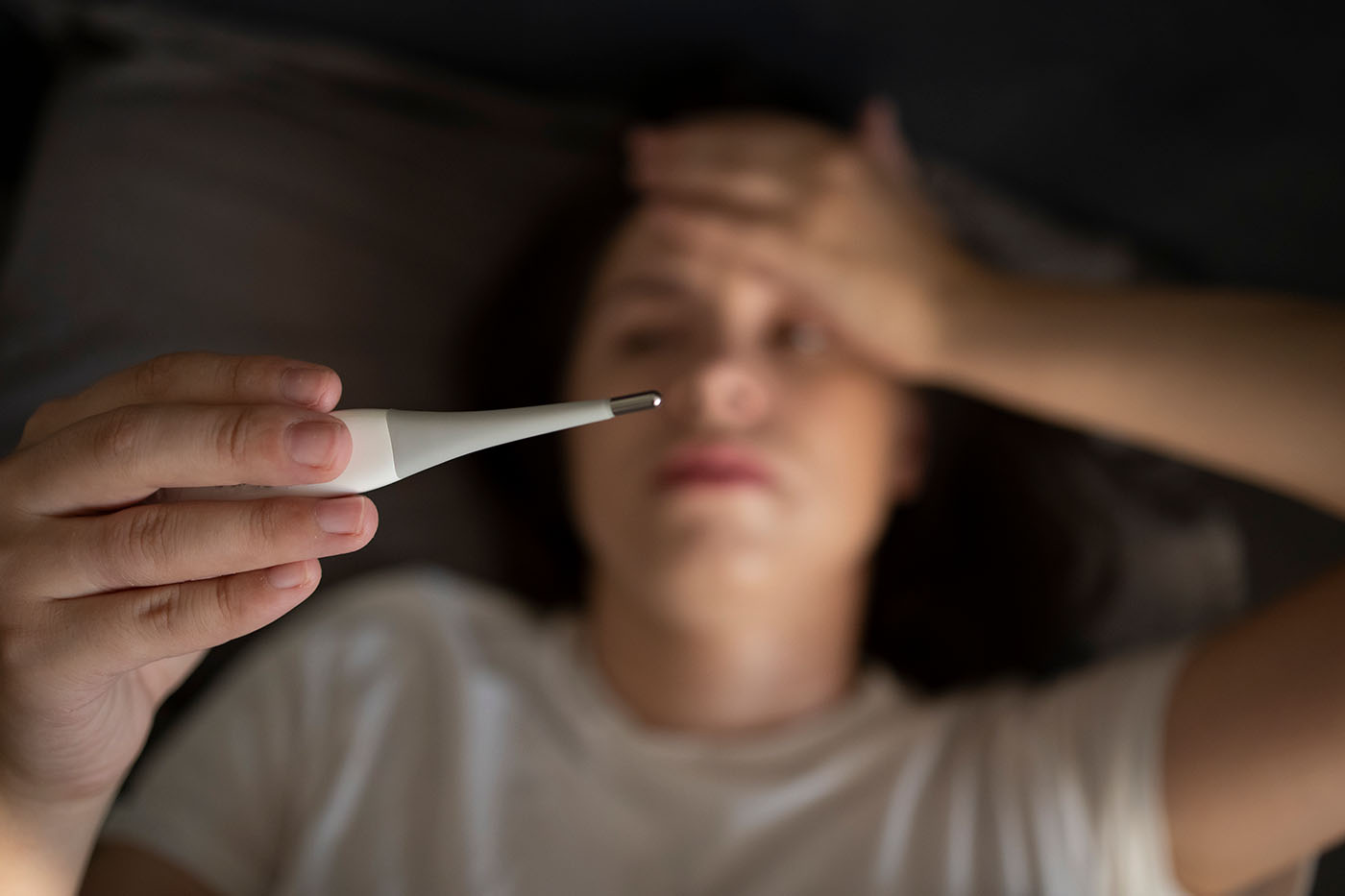
It’s always better to call and be told “this is normal” than to wait on serious symptoms. Contact your surgeon’s office or the on-call doctor right away if you notice any of the following post operative:
- Fever higher than 101°F, or a low grade fever that lasts more than 24 hours
- Sudden, severe pain that doesn’t improve after taking pain medicine
- New chest pain, trouble breathing, or a very fast heartbeat
- Significant swelling, redness, warmth, or red streaks near the incision or wound
- The incision opens, drains pus-like fluid, or bleeds heavily through the bandage
- Ongoing nausea, vomiting, or diarrhea
- New calf pain, redness, or swelling in one leg (possible clot risk)
- Any change that feels “not normal” for you or makes you worried
If you think you may be having a life-threatening emergency, call 911 instead of the office or surgery center.
A simple way to think about post surgery care at home is the “5 P’s”: Pain (keep it controlled), Position (safe, supported positions), Personal care (bathroom and hygiene needs), Periphery (watch your hands and feet for circulation changes), and Pump (gentle movement to keep blood flowing). It’s just a reminder—your medical team will tailor the actual plan to you.
Your Follow-Up Appointment
Your follow up visit is a crucial part of your recovery, not “just a quick check.” At this visit, your surgeon or physician will examine your incision, review your medications, talk through your pain, and update your plan so you can safely return to more of your normal activities.
Bring:
- Your current medication list
- A quick note of your pain levels and any swelling or other concerns
- Any questions you’ve written down at home
If you’re assisting a loved one who is recovering, it often helps for one family member to sit in, listen, and take notes.
If anything about your recovery doesn’t match what you expect—or you’re just unsure—talk with your medical team. At Southern California Multi-Specialty Center, we want every patient to feel informed, supported, and confident about healing at home after surgery.