What is Chronic Venous Insufficiency?
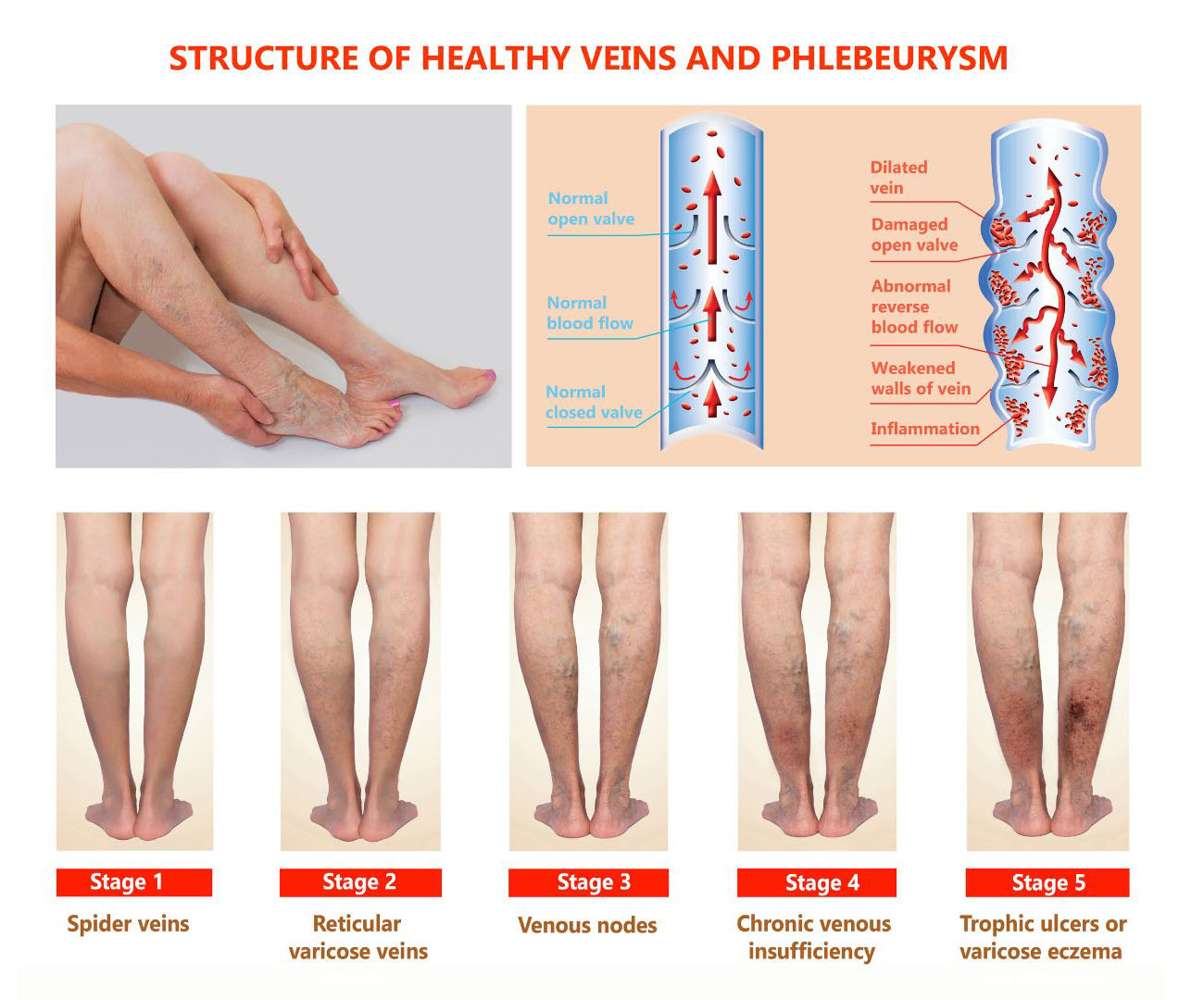
The blood vessels in your legs have one-way valves that help bring blood in your legs back to your heart. These special valves help move blood upward against gravity. When these valves are damaged or not working properly, the blood begins to pool or collect in your veins which can result in a blood clot. Over time this pooling of blood can cause pain, swelling and venous ulcers.
Vascular surgeon Dr. Sammy Eghbalieh discusses Chronic Venous Insufficiency on ABC 7 Eyewitness News as part of its Circle of Health reporting on President Trump’s diagnosis.
Chronic Venous Insufficiency Q & A
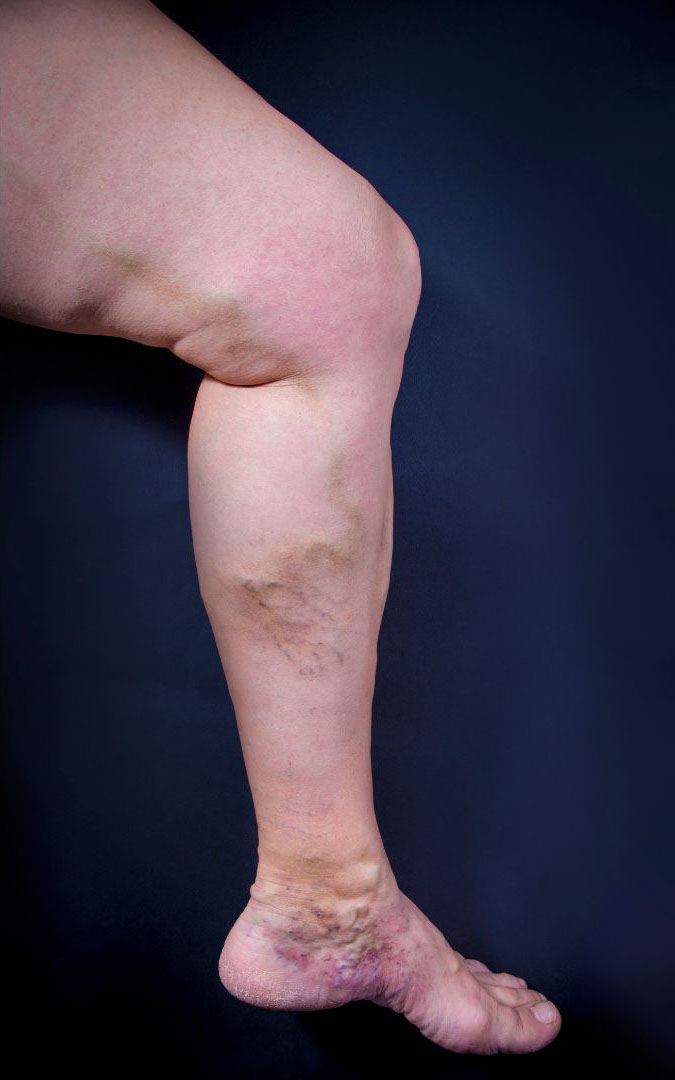
Chronic venous insufficiency symptoms may include leg pain, swelling, itching, varicose veins, skin changes and ulcers.
Risk Factors for Chronic Venous Insufficiency (CVI)
Deep vein thrombosis (DVT) is the most common cause of CVI. The blood clot causes damage to your valves in your veins and the result is CVI.
Other risk factors for Chronic Venous Insufficiency include:
- Obesity
- >50 years old
- Smoking and tobacco use
- Pregnancy
- May Thurner Syndrome
- History of DVT
- History of varicose veins
- Female
- Sitting or standing for long periods
Symptoms of Chronic Venous Insufficiency (CVI)
- Edema or swelling, heaviness in the legs or ankles
- Pain
- Itching
- Varicose veins
- Skin texture like leather
- Achy or tired legs
- UIcers or sores near your ankles
- Discolored skin that looks red or brown
- Tingling or “pins and needles” feeling in the legs
Treatment Options for Chronic Venous Insufficiency (CVI)
Chronic venous insufficiency is diagnosed by physical examination and vascular ultrasound. If you are diagnosed with mild disease your physician will recommend lifestyle changes along with medication and possibly compression socks. However, in more severe cases of CVI your physician will likely recommend a surgical or endovascular procedure:
- Sclerotherapy – endovascular procedure which involves injecting a solution directly into the vein. The sclerotherapy solution causes the vein to scar, forcing blood to reroute through healthier veins.
- Vein ablation – endovascular procedure which uses the application of heat to seal the abnormal vein.
- Ligation/ vein stripping – surgical procedure where veins are removed or tied off.
- Vein bypass – surgical procedure where the vein is bypassed by using a graft or another vein.
These types of procedures are performed by vascular surgeons using a minimally invasive procedure. It’s important to only go to a vascular surgeon for these procedures, as inappropriate care can lead to devastating outcomes for these patients.
Contact our office to schedule an appointment, call 818-900-6480.
Why Nutrition Matters as Part of Treatment
Flavonoid-rich foods support microcirculation
Foods rich in flavonoids and polyphenols are associated with improved endothelial and microvascular function.
A more complete approach to care
When nutrition or lifestyle factors can strengthen the body’s response to treatment, they’re thoughtfully considered as part of the care plan. This broader perspective helps our patients feel supported, informed, and set up for healthier progress at every stage of treatment.
Learn how nutrition is considered in your care →
REFERENCES
- Del Bo C, et al. Dietary flavonoids and vascular function. Nutrients. 2021;13:2149.
Our Vascular & Endovascular Surgeons
It's important to remember not all physicians are trained in advanced vascular and endovascular surgery. It’s a good practice to get multiple opinions and do research on the surgery and the physician.
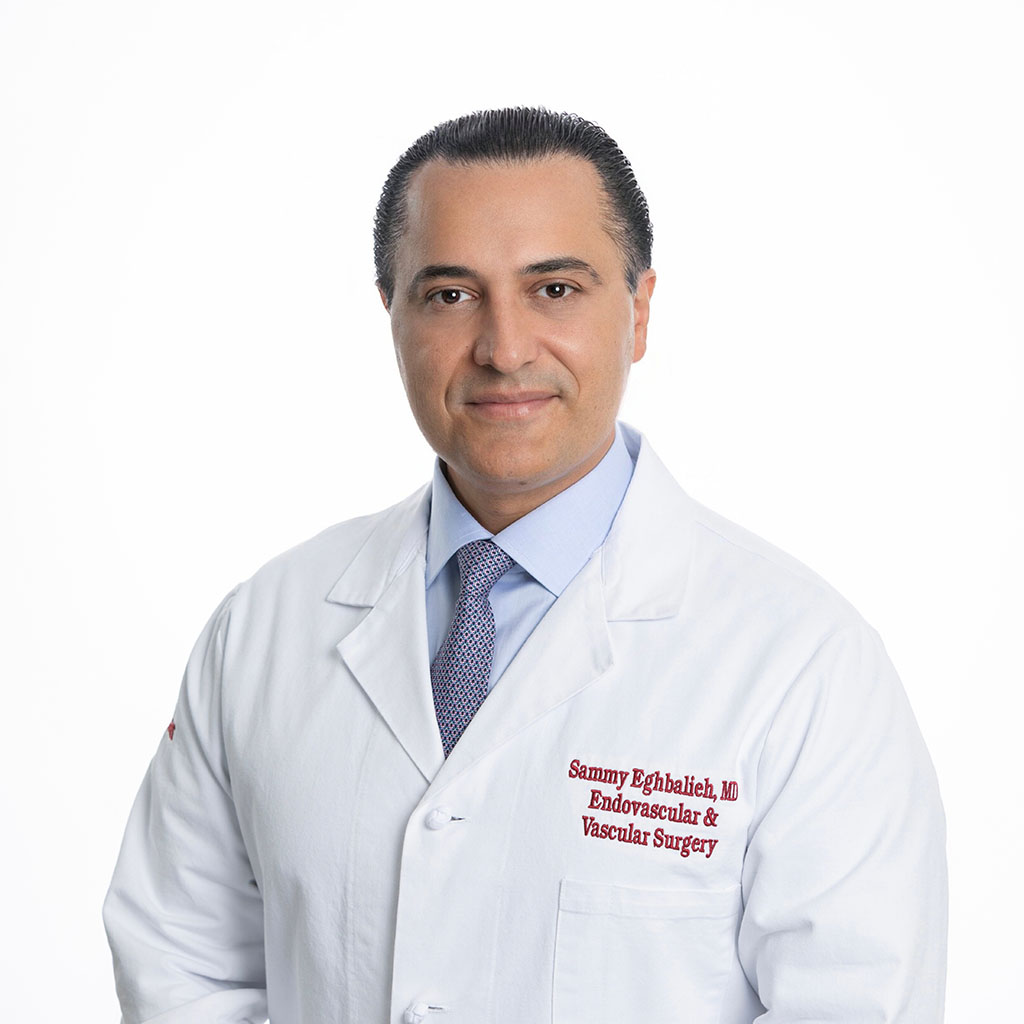
Sammy Eghbalieh, MD, FACS, FSVS, RPVI