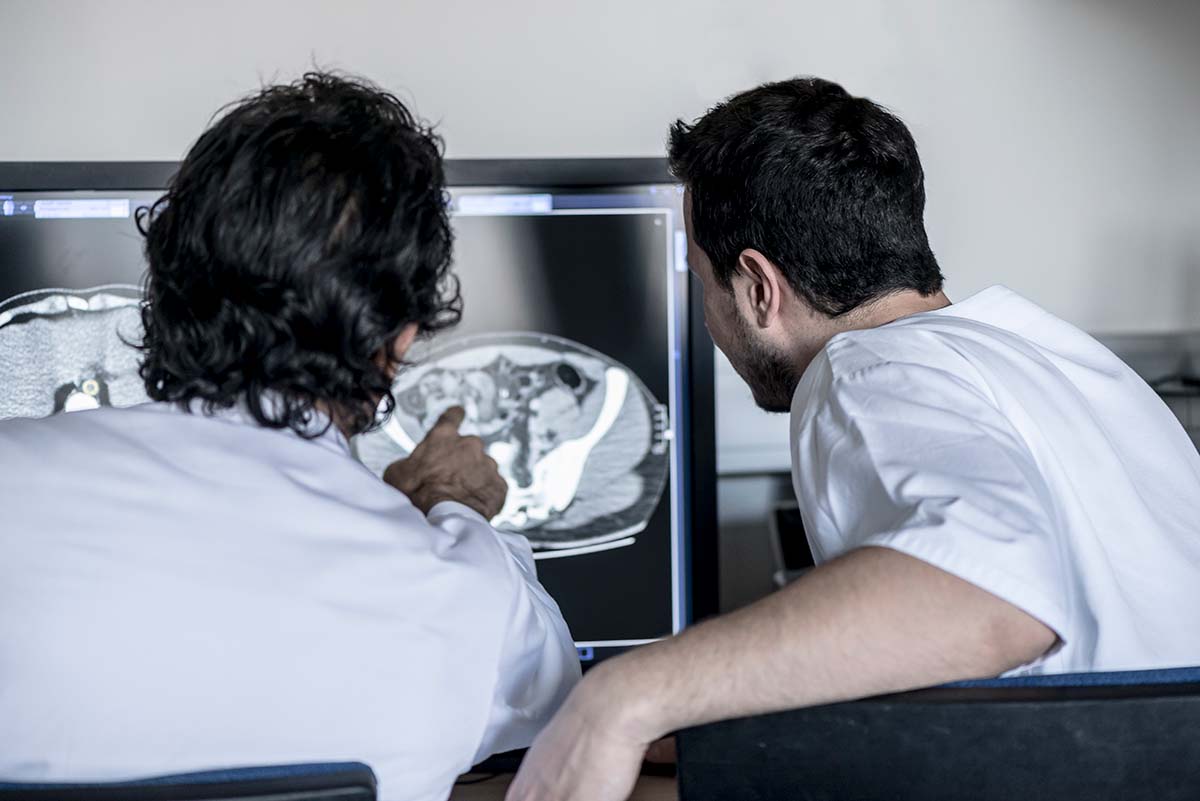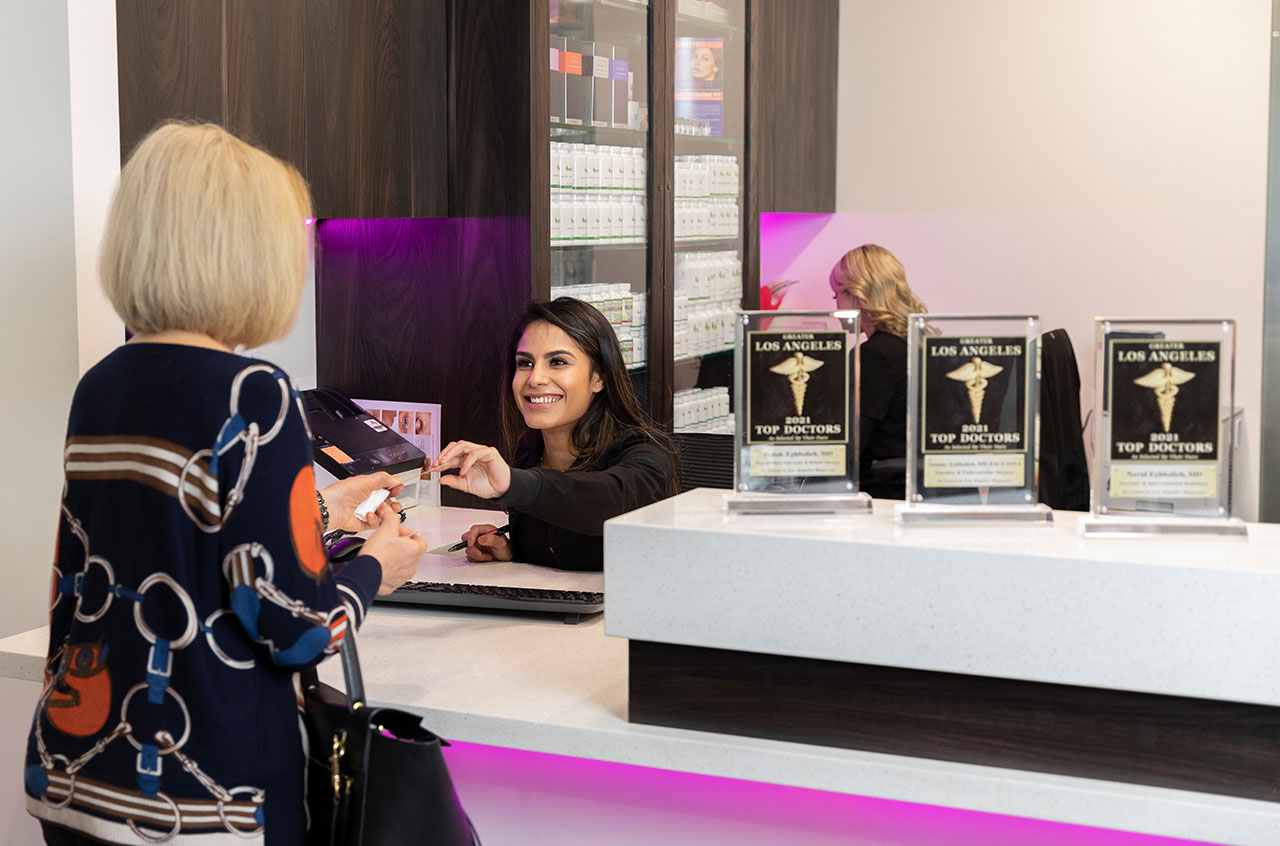
Most people arrive at Clinical Nutrition because their doctor told them to — a surgery scheduled, a recovery underway, or a condition where their physician wants nutrition managed as part of the rest of their care. SCMSC's Clinical Nutrition is the registered-dietitian-led department that handles this work, in coordination with the general surgery, colorectal, vascular, and interventional radiology teams.
The work is medical nutrition therapy — clinical care grounded in your actual medical situation. The dietitian reviews labs, medications, and your surgical or treatment plan, then builds a nutrition plan that fits both your clinical needs and the way you actually live.
Geoffrey Samson, MS, RD, directs the department. Most patients see him in person at SCMSC's Sherman Oaks office. For follow-ups, and for patients whose schedule or location makes regular drives impractical, telehealth visits are available throughout Los Angeles.
When Clinical Nutrition enters your care
The work is different depending on where you are. Most patients fit one of four moments:
Before surgery. If you have a procedure scheduled, the work focuses on preparing your body for it — looking at protein status, correcting any nutritional deficiencies, and aligning your nutrition with the surgical team's pre-operative protocols. Most patients meet with the dietitian during their initial surgical consult, so the nutrition piece is set up early without adding another appointment to coordinate.
During recovery. After surgery, the dietitian coordinates diet advancement and recovery nutrition with the surgical team, adjusting your nutrition plan as healing progresses and your situation changes.
Long-term. When a condition extends past a single procedure, clinical nutrition stays part of ongoing care — for patients managing diabetes alongside vascular disease, ongoing nutrition after colorectal surgery for inflammatory bowel disease, or long-term metabolic support after interventional cancer treatment. The work continues for as long as the condition does.
When nutrition is part of the treatment. Some conditions have a nutrition component woven into the treatment itself — diabetes, kidney disease, inflammatory bowel disease, fatty liver disease (hepatic steatosis), and other metabolic or digestive conditions. Patients are referred in by their surgical team, their gastroenterologist, or their primary care physician — and the work continues from there as part of clinical care.

SCMSC offers comprehensive nutritional services to all our patients in Los Angeles and San Fernando Valley, not just those undergoing surgery.
Clinical services
The first visit runs 60 to 90 minutes. The dietitian reviews your medical history, current labs, medications, and surgical or treatment plan, then builds a personalized medical nutrition therapy plan that fits both your clinical needs and the way you actually live. You leave with a written plan and a clear sense of what comes next.
Follow-up visits run 30 to 60 minutes and update the plan as treatment, recovery, or your situation changes. Most follow-ups happen by telehealth, so they don't require driving back to Sherman Oaks every time.
Coordinated with your surgical care
Clinical Nutrition at SCMSC is built into the clinical plan. The dietitian works alongside the general surgery, colorectal, vascular, and interventional radiology teams — before a procedure, during recovery, and across the long-term management of conditions where nutrition continues to matter.
Before surgery, the work focuses on optimizing nutritional status through medical nutrition therapy: protein status, iron stores, immunonutrition (nutrition formulated to support immune function before surgery) where indicated. Preparation is procedure-specific and, where applicable, aligned with Enhanced Recovery After Surgery (ERAS) protocols for operations like Whipple, major colorectal resection, or complex vascular surgery. For patients whose fatty liver disease affects surgical planning, pre-operative nutrition therapy can be part of the clinical gate — reducing complication risk and making the procedure safer.
During recovery, the dietitian coordinates diet advancement with the surgical team, monitors GI tolerance, and adjusts the plan as the patient moves through each phase of healing — from initial post-operative fluids through return to a maintenance diet. Wound healing, protein adequacy for tissue repair, and nutrition management of surgical complications happen within the team's rounds — part of the same clinical workflow as the surgery itself.
For patients whose conditions extend past a procedure — diabetes managed alongside vascular disease, inflammatory bowel disease after colorectal resection, or ongoing nutrition needs after interventional cancer treatment — the dietitian stays in coordinated care as part of SCMSC's ongoing management of the condition.
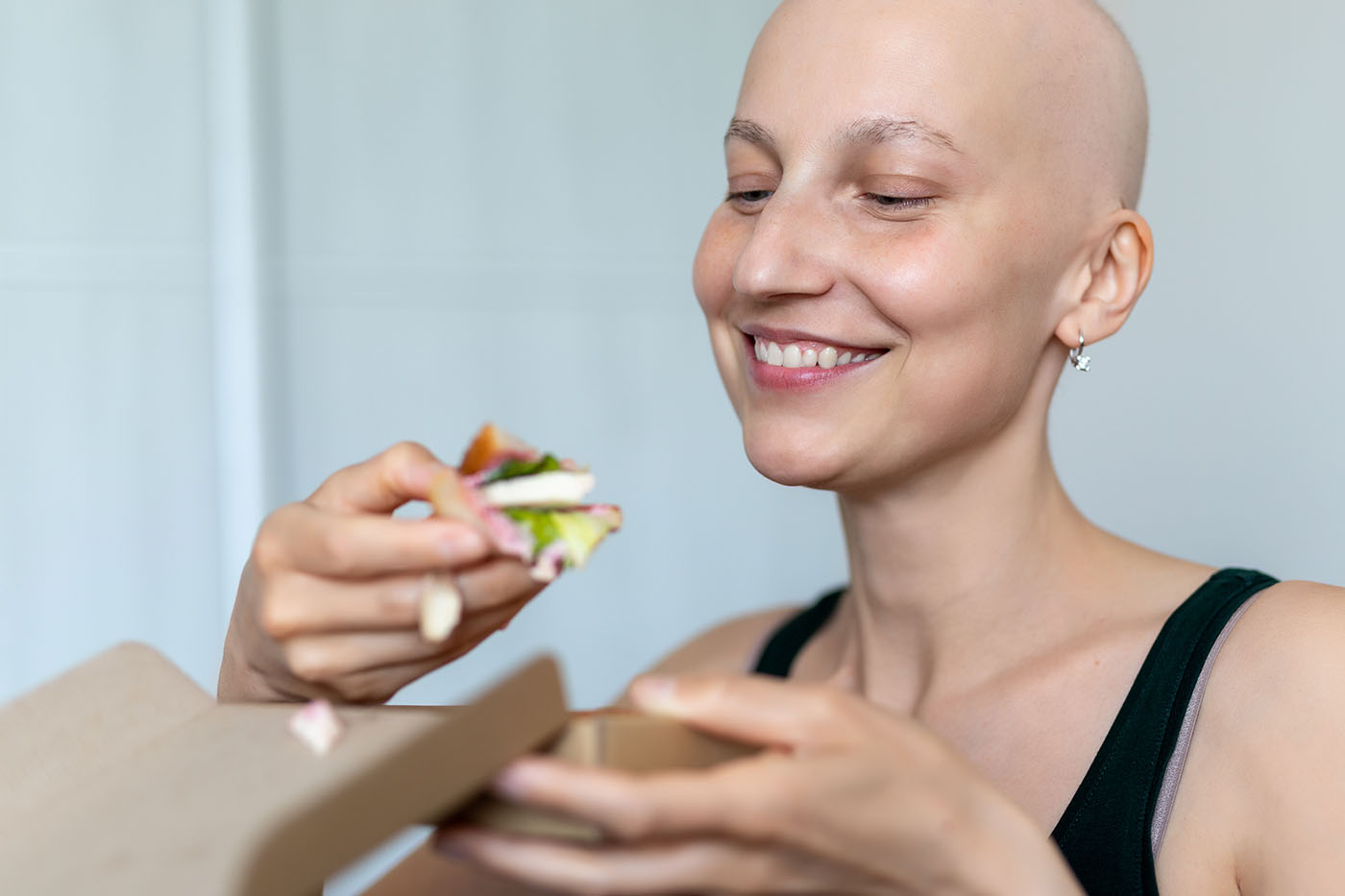
Proper nutrition is especially important for patients with cancer because the body’s nutritional needs shift dramatically during a cancer diagnosis, through subsequent therapies and into survivorship.
Cancer nutrition support
For patients navigating cancer care, clinical nutrition plays a specific role — in preparation for cancer surgery (pancreatic, colorectal, and others), through active treatment when appetite, digestion, and nutritional needs change, and into survivorship. SCMSC's page on diet and nutrition in cancer care covers this in more depth.
Your clinical team
SCMSC's Clinical Nutrition team brings graduate-level dietetic training and over 15 years of clinical nutrition experience to every patient's care, currently directed by Geoffrey Samson, MS, RD.
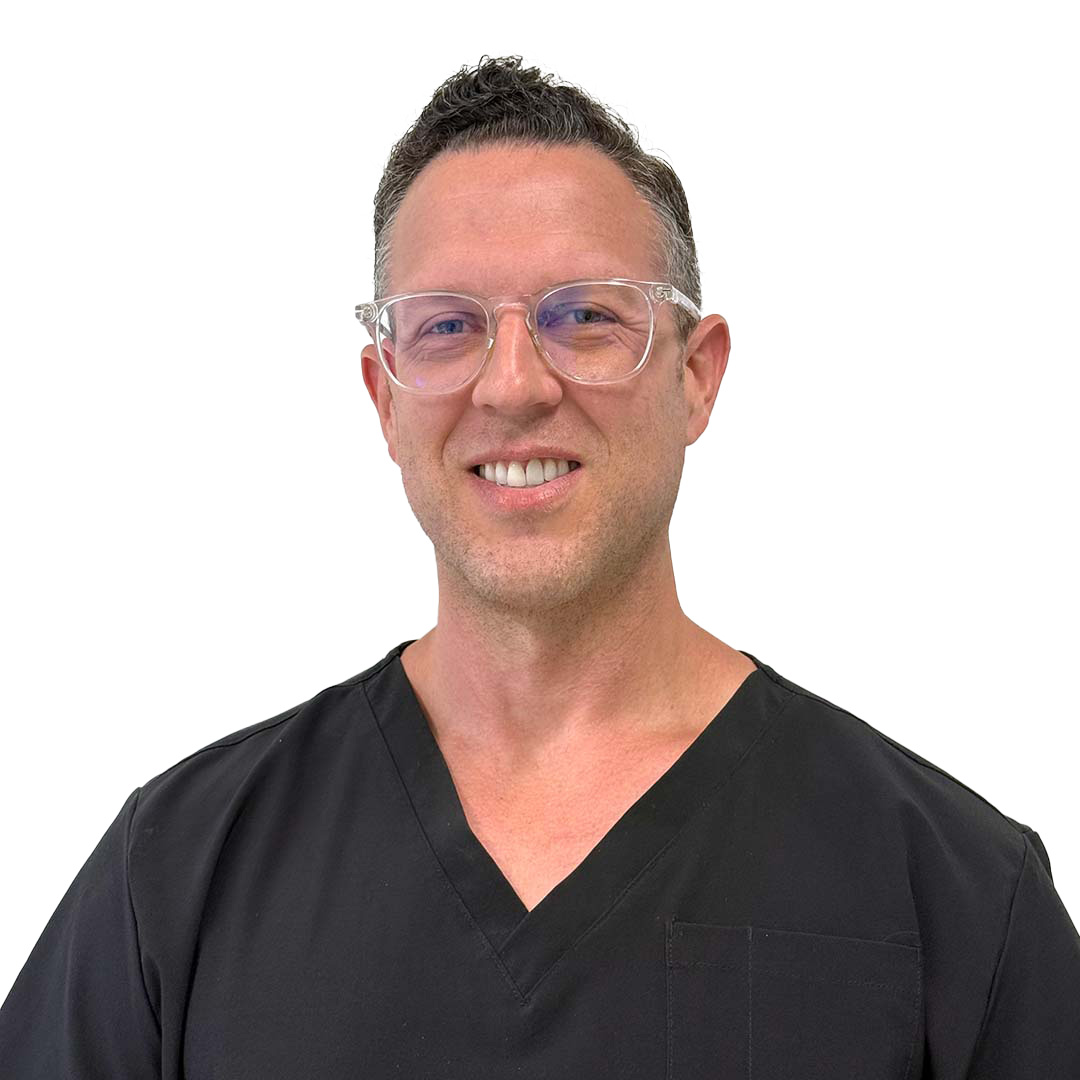
Geoffrey Samson, MS, RD
Director of Clinical Nutrition, Regenerative Medicine Program
Geoffrey Samson, MS, RD
Director of Clinical Nutrition
Geoffrey directs the Clinical Nutrition department at SCMSC, combining a physiology-informed approach with medical nutrition therapy across pre-operative optimization, surgical recovery, metabolic health, gut health, and complex chronic-condition management. He works directly with patients to build care plans that fit both their clinical needs and the practical realities of how they live — the kitchen, the grocery store, the family meal, the medication schedule.
Answers to common questions
Do I need a referral to work with Clinical Nutrition?
A formal referral isn't required to schedule. Most patients arrive on a physician's recommendation (PCP, gastroenterologist, surgeon, or oncologist), but direct booking is available. The scheduling team verifies whether your specific insurance plan requires a referral or pre-authorization before the visit.
Will the dietitian coordinate with my doctors outside SCMSC?
Yes. For patients whose primary care, specialty care, or cancer treatment happens at other practices, the dietitian coordinates directly with those providers — sharing notes, lab interpretations, and care plan changes as part of integrated care. This matters most for patients whose nutrition needs cross practice boundaries (chronic conditions, oncology, complex medication regimens).
What should I bring to my first visit?
A current medication list, recent lab work (if your physician has shared copies), notes from any specialists managing your condition, and a sense of what you typically eat in a given week. The dietitian can pull SCMSC labs directly; for outside providers, copies help.
How does telehealth work for nutrition consultations?
Telehealth visits use a secure video platform. The dietitian reviews labs and care plans on screen and can share documents during the visit. Most follow-up visits work well via telehealth. Initial consultations are sometimes better in person — particularly for complex situations or for patients who prefer the first meeting face-to-face.
How quickly can I see the dietitian?
New patients are scheduled as quickly as the calendar allows — telehealth visits typically have shorter wait times than in-person visits at Sherman Oaks. Patients already in SCMSC's surgical care can often see the dietitian the same day as their initial surgical consult, when the dietitian's schedule has room.
Working with Clinical Nutrition
Most patients arrive at the first nutrition consultation through one of two paths.
If you're already an SCMSC surgical patient. Nutrition gets coordinated through your surgical team — no separate referral process to navigate. When the dietitian has availability and your insurance doesn't require pre-authorization, the first consultation often happens the same day as your surgical visit, on the way out. If scheduling or pre-authorization needs more time, the team sets up a future appointment, either in person at Sherman Oaks or by telehealth.
If you're coming directly for nutrition care. Schedule by phone at (818) 900-6480 or by submitting an appointment request through SCMSC's contact form. Appointments are in person at Sherman Oaks or by telehealth, whichever fits your situation better.
What it costs and how insurance works. The first visit is $250; follow-ups are $200. Most insurance plans cover the work — some require pre-authorization, some don't, and the scheduling team checks ahead of time so you know what your coverage looks like before you come in. If insurance doesn't cover, cash or card works.
To schedule a nutrition consultation, call SCMSC at (818) 900-6480 or request an appointment online. If you're already in SCMSC's surgical care, your surgical team can arrange the nutrition consultation as part of your care plan — no need to schedule it separately.