
By Geoffrey Samson, MS, RD – Registered Dietitian, SCMSC
When you're preparing for surgery — or recovering from one — most of what happens is out of your hands. The surgical team, the procedure, the clinical protocols: these are theirs to manage. But there's one part of your outcome you have direct control over, and growing research suggests it matters more than most patients realize.
How you nourish your body in the weeks before and after surgery significantly affects how well you heal, how quickly you recover, and how likely you are to avoid complications. And increasingly, the research points to one system at the center of this: your gut.
At Southern California Multi-Specialty Center, our clinical nutrition team works alongside our surgeons, vascular specialists, and GI physicians to help patients prepare their bodies for surgery and recover more fully afterward. This article walks through what the research supports, why gut health sits at the heart of surgical recovery, and what you can actually do — before and after your procedure.
Why Your Gut Is the Hidden Engine of Surgical Recovery
The digestive system plays a central role in your immune function, inflammation levels, and overall metabolic health. Inside your gut lives a vast community of bacteria — the gut microbiome — that interacts with nearly every system in your body, including the ones that govern how well you heal.
When this ecosystem is balanced, your body is better equipped to handle physical stress, fight infection, and rebuild tissue. When it's disrupted by poor diet, stress, medications, or illness, your body's ability to recover from surgery can be significantly compromised.
This isn't theoretical. Research published in leading gastroenterology and surgical nutrition journals consistently shows that patients who enter surgery with better gut and nutritional health experience fewer complications and recover faster. And studies show that surgery itself — along with the antibiotics and physiological stress it typically involves — disrupts the microbiome, which is why post-operative nutrition is just as important as pre-operative nutrition.
In other words: the question isn't only "what should I eat before surgery?" It's "how do I build and protect the internal ecosystem that's going to do most of the healing work?"
What Does Nutrition Actually Do When Your Body Is Under Surgical Stress?
Surgery creates significant demand on the body. Energy needs increase, the immune system is temporarily stressed, and tissues need specific raw materials to heal. The research points to four categories that consistently matter most — and each one interacts meaningfully with gut health.
Protein is essential for repairing tissue, preserving muscle, and supporting immune function. Most surgical patients benefit from higher protein intake in the weeks before and after a procedure — roughly 1.2 to 1.5 grams per kilogram of body weight per day, based on established surgical nutrition guidelines. Good sources include eggs, fish, poultry, Greek yogurt, legumes, and protein supplements when needed. A healthy gut directly affects how efficiently your body absorbs and uses this protein.
Fiber and plant diversity feed the beneficial bacteria that produce compounds protecting your gut barrier and reducing inflammation. Aiming for 25 to 35 grams of fiber daily — from vegetables, fruits, whole grains, beans, and nuts — helps maintain a diverse, resilient microbiome heading into surgery. Plant variety matters as much as total fiber; different plant foods feed different beneficial bacteria.
Omega-3 fatty acids, found in fatty fish like salmon, sardines, and mackerel, help moderate the inflammatory response surgery triggers. Clinical nutrition research supports their role in immune modulation and tissue recovery.
Polyphenols — the compounds that give berries, extra virgin olive oil, green tea, and many herbs their color and flavor — act as antioxidants and directly support beneficial gut bacteria. A polyphenol-rich Mediterranean-style diet has been shown to improve metabolic and inflammatory markers, in part through measurable changes in the microbiome.
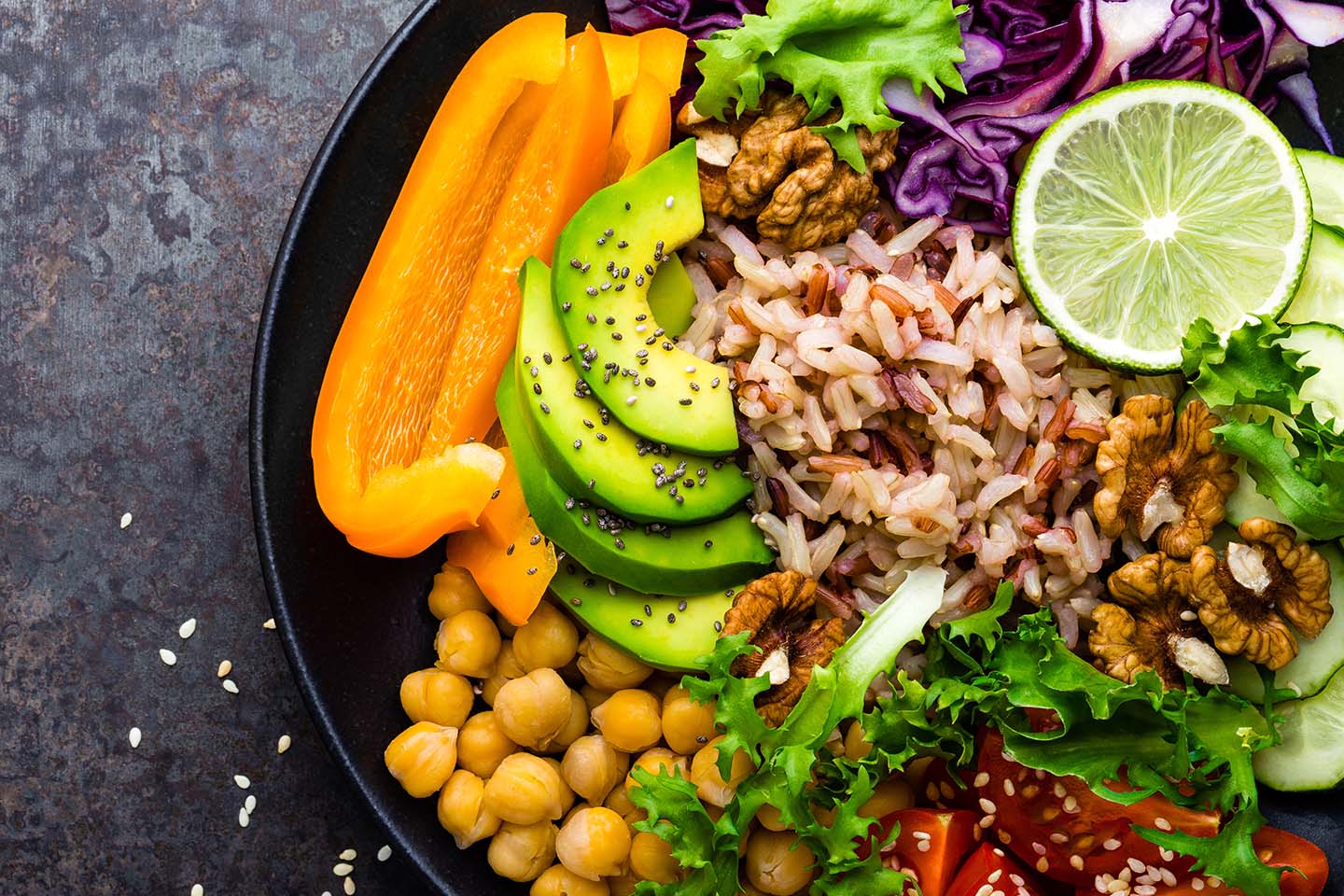
Nutrition Targets at a Glance
A quick reference — what to focus on in the weeks before and after surgery:
- Protein — 1.2 to 1.5 grams per kilogram of body weight per day. Sources: eggs, fish, poultry, Greek yogurt, legumes, protein supplements when needed. Supports tissue repair, muscle preservation, and immune function.
- Fiber — 25 to 35 grams per day. Sources: vegetables, fruits, whole grains, beans, nuts. Feeds the gut microbiome and supports gut barrier integrity. Plant variety matters as much as total fiber.
- Omega-3 fatty acids — 2 to 3 servings per week of fatty fish (salmon, sardines, mackerel). Helps moderate the inflammatory response to surgical stress.
- Polyphenol-rich foods — daily intake of berries, extra virgin olive oil, green tea, and herbs. Antioxidant support that directly nourishes beneficial gut bacteria.
- Key micronutrients to check — vitamin D, zinc, and iron are the most commonly low before surgery. Worth testing and correcting where indicated.
Before Surgery: Building Resilience
Think of the weeks before surgery the way an athlete thinks about training before competition. Your body is preparing to undergo a significant event, and the stronger your nutritional foundation — and the healthier your microbiome — the better positioned you are to recover.
Key pre-surgical priorities:
- Adequate protein to preserve muscle mass and support immune readiness
- Diverse, fiber-rich foods to strengthen gut barrier integrity and microbiome diversity
- Anti-inflammatory foods to help moderate the inflammatory response surgery triggers
- Correcting nutritional deficiencies — vitamin D, zinc, and iron are the most common ones worth checking and addressing before a procedure
For most patients, this means shifting the plate toward more whole foods, more plants, more variety, and adequate protein at each meal. For patients with specific conditions or procedures, a personalized plan produces better results than generic guidance.
At SCMSC, our dietitian works with patients individually to build a plan based on their specific procedure, health history, and nutritional baseline — not a one-size-fits-all handout.

What Does Your Body Need During Recovery That It Didn't Need Before?
The weeks following surgery are when your body does the heavy work of healing. Nutrition during this phase supports four simultaneous jobs:
Tissue repair — protein, vitamin C, zinc, and collagen-supporting nutrients give your body the raw materials to rebuild what was affected by the procedure.
Microbiome restoration — antibiotics and surgical stress disrupt the gut ecosystem. Gradually reintroducing fiber-rich and fermented foods — as your recovery allows — helps restore balance. Rushing this is a common mistake; a staged reintroduction works better.
Muscle preservation — reduced activity after surgery can lead to rapid muscle loss. Consistent protein intake spread across the day, rather than concentrated in one meal, helps protect lean mass during recovery.
Blood sugar and metabolic stability — managing glucose levels after surgery supports immune function and reduces infection risk, particularly for patients with diabetes or insulin resistance.
For patients with higher nutritional needs or compromised intake, structured oral nutrition supplements or a more formal feeding plan may be part of the recovery protocol.
Procedure-Specific Nutrition Guidance
Different surgeries create different recovery demands. The foundation in this article applies broadly, but each procedure benefits from tailored guidance.
Available now:
In development:
- Nutrition for Gallbladder Surgery Recovery
- Nutrition Before and After the Whipple Procedure
- Nutrition for Colon and Colorectal Surgery Recovery
- Nutrition for Cardiovascular Surgery Recovery
If you have a procedure scheduled and want tailored guidance for your specific surgery, our dietitian can build a plan around your procedure, health history, and recovery timeline.
Why Integrated Surgical Nutrition Matters
Most surgical centers treat nutrition as the patient's responsibility — something to figure out on their own, or with a generic pre-op instruction sheet. That approach reflects how medicine was organized a generation ago. The evidence has moved on.
Modern surgical care increasingly follows what's called Enhanced Recovery After Surgery (ERAS) — an evidence-based framework adopted by leading surgical centers worldwide that places nutrition at the center of perioperative planning. The data on ERAS protocols is consistent: patients receiving structured nutrition support before and after surgery experience fewer complications, shorter hospital stays, and better long-term outcomes.
What this requires is an integrated team — surgeons and a registered dietitian working off the same plan, with nutrition decisions tied to the specific procedure, the patient's risk factors, and the phase of recovery. That's the model SCMSC is built around. Whether you're preparing for a vascular procedure, a gastrointestinal surgery, or another specialty service, nutrition is part of the care plan — not an afterthought.
Frequently Asked Questions
How long before surgery should I start focusing on nutrition?
Ideally, 4 to 6 weeks before your procedure. Building nutritional reserves and optimizing gut health takes time. Even 2 weeks of focused nutrition can help — especially for major surgeries — but longer is generally better. If your surgery is sooner than that, talk with your surgical team and a dietitian about what's realistic for your timeline.
What foods should I avoid before surgery?
Your surgical team will give specific instructions about fasting and medication interactions — follow those first. Beyond that, reducing ultra-processed foods, excess alcohol, and added sugars in the weeks before surgery supports immune readiness and gut health. Some supplements (like fish oil or certain herbal products) may need to be paused before surgery; always disclose everything you're taking to your surgeon.
Do I need protein supplements, or can I get enough from food?
Most patients can meet pre-surgical protein targets through food alone. Supplements often become useful after surgery, when appetite is reduced and hitting protein goals through meals alone is harder. A registered dietitian can help you determine whether supplements make sense for your procedure and recovery.
How soon after surgery can I eat normally?
It depends on the procedure. Your surgical team will guide the timing and the progression — some surgeries allow a return to normal eating within days, while others require weeks of staged progression. In general, recovery nutrition moves through phases, starting with easily tolerated foods and gradually expanding. Rushing this is a common mistake.
Does gut health really affect surgery outcomes?
Yes — and the evidence continues to strengthen. Research consistently shows that patients with better gut and nutritional health entering surgery experience fewer complications and recover faster. The gut microbiome affects immune function, inflammation, and tissue healing — all critical during surgery and recovery.
Work With a Registered Dietitian Before Your Surgery
Surgery is a significant event for your body. The more you can do to support it nutritionally — before and after — the better your recovery tends to go.
Geoffrey works directly with SCMSC patients to build personalized pre- and post-surgical nutrition plans. If you have a procedure scheduled, or you're recovering and want to optimize how you heal, we can help.
What You've Just Set in Motion
Most patients preparing for surgery focus on the procedure itself. You've chosen to do something more — to actively prepare your body for what's ahead, nutritionally and metabolically.
That matters. Research consistently shows that patients who enter surgery with better nutritional and gut health recover faster, experience fewer complications, and return to their lives sooner. You're now aligned with that evidence.
The weeks leading up to your surgery shift from passive waiting to active preparation. That's one of the highest-leverage choices available to you in this process — and you've already made it.
Geoffrey Samson, MS, RD
Registered Dietitian, SCMSC
About the Author
Geoffrey Samson, MS, RD is SCMSC's full-time registered dietitian. He works one-on-one with patients across all specialties — preparing them for surgery, supporting their recovery, and helping them build long-term nutritional health. His clinical focus includes perioperative nutrition, gut health, and metabolic support for patients with complex surgical and medical needs.
Research This Article Draws From
- Weimann A, Braga M, Carli F, et al. ESPEN practical guideline: Clinical nutrition in surgery. Clinical Nutrition. 2021.
- McClave SA, Taylor BE, Martindale RG, et al. Guidelines for the provision and assessment of nutrition support therapy in the adult critically ill patient (ASPEN). JPEN. 2016.
- Zmora N, Suez J, Elinav E. You are what you eat: diet, health and the gut microbiota. Nature Reviews Gastroenterology & Hepatology. 2019.
- Rinott E, Meir AY, Tsaban G, et al. The effects of the Green-Mediterranean diet on cardiometabolic health are linked to gut microbiome modifications. Genome Medicine. 2022.
- Stoll F, et al. The impact of gut microbiota on postoperative complications in visceral surgery. Journal of Clinical Medicine. 2021.
